Cooperative society deposits, member-interest TDS exemption and credit-facility deduction claims require verification through records and supporting e...
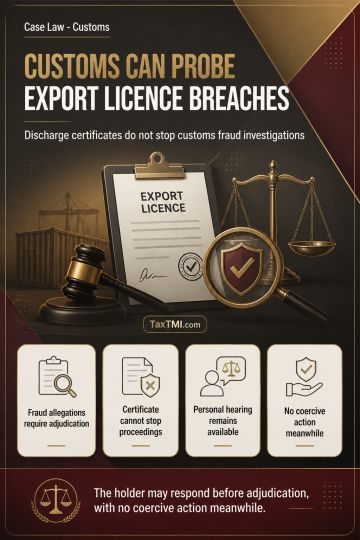
Customs jurisdiction over EPCG condition breaches survives export-obligation discharge certificates, requiring alleged fraud and misdeclaration to be ...
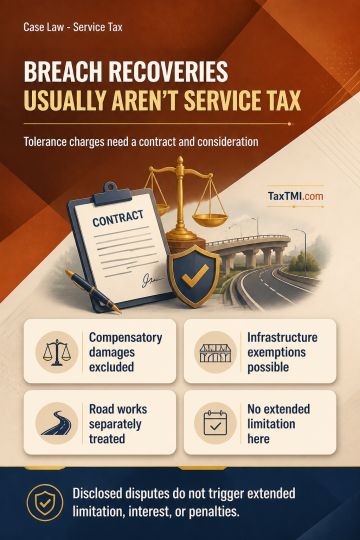
Contractual tolerance requires consideration; breach recoveries, qualifying public infrastructure services and road works escape service tax liability...
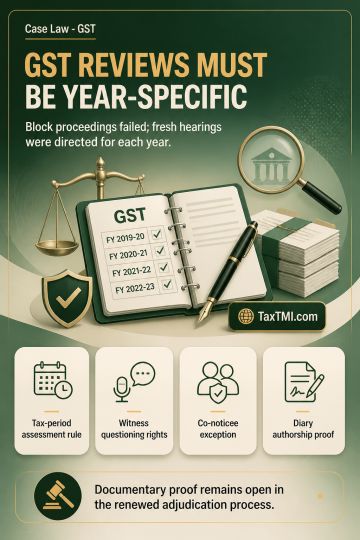
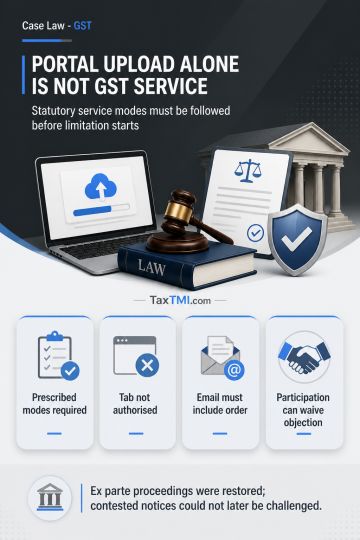
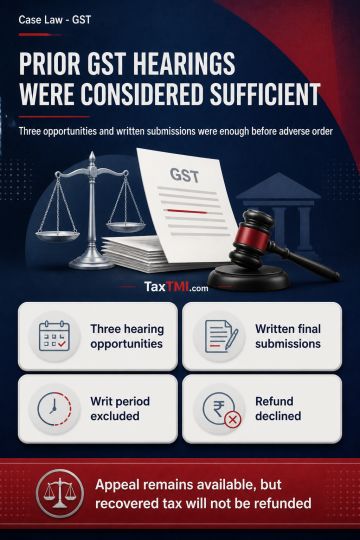
Personal hearing requirements in GST adjudication were satisfied by prior opportunities and written submissions; appellate limitation received writ-pe...
The case involved a dispute over the writ jurisdiction of the High Court post privatization of (AIL) by a private corporate entity. - Erstwhile Public sector undertaking (PSU) - The issue was whether the High Court could exercise writ jurisdiction over a private entity. The employee-writ petitioner argued that the petition was maintainable against the respondent at the time of filing. Various High Courts had held that a government company becoming a private entity would make it immune from writ jurisdiction. The Supreme Court held that the High Court could not issue a writ to a private entity that had taken over during the pendency of the case. The delay in disposal of the writ petitions was considered a valid ground to continue the case, but the appellants were directed to seek remedy from another forum. The appeal was dismissed, upholding the decision of the Bombay High Court to deny equitable relief and require the appellants to approach the appropriate forum for their grievances.
The case involved a dispute over the writ jurisdiction of the High Court post privatization of (AIL) by a private corporate entity. - Erstwhile Public sector undertaking (PSU) - The issue was whether the High Court could exercise writ jurisdiction over a private entity. The employee-writ petitioner argued that the petition was maintainable against the respondent at the time of filing. Various High Courts had held that a government company becoming a private entity would make it immune from writ jurisdiction. The Supreme Court held that the High Court could not issue a writ to a private entity that had taken over during the pendency of the case. The delay in disposal of the writ petitions was considered a valid ground to continue the case, but the appellants were directed to seek remedy from another forum. The appeal was dismissed, upholding the decision of the Bombay High Court to deny equitable relief and require the appellants to approach the appropriate forum for their grievances.
Note: It is a system-generated summary and is for quick reference only.
 TaxTMI
 of 4792





 Join Channel


 TaxTMI