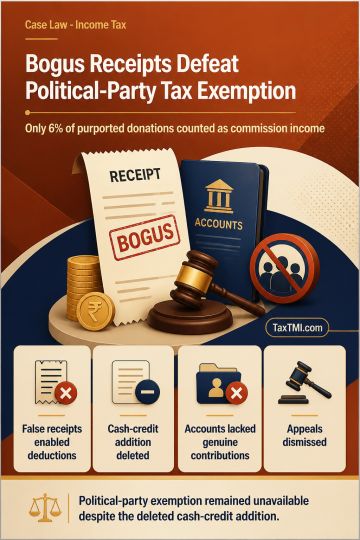
Bogus donation receipts justified commission income assessment and defeated political-party tax exemption for inaccurate accounts and reporting failur...
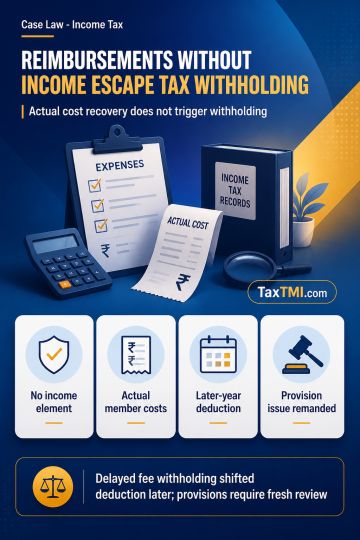
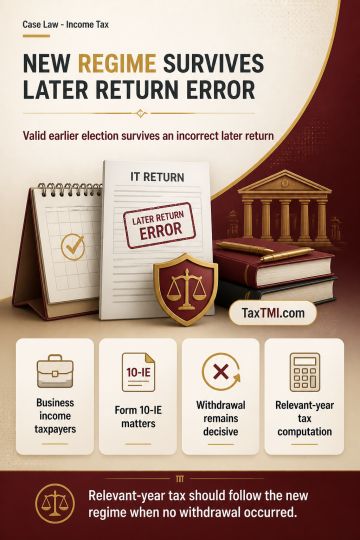
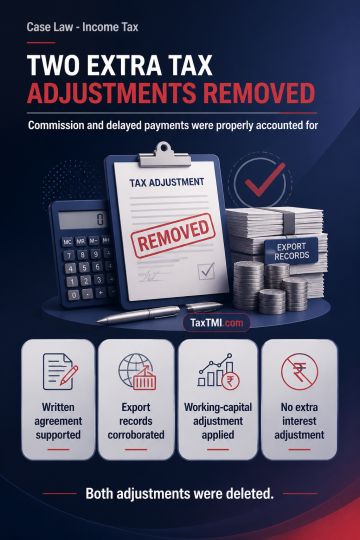
Pure reimbursement without income element escapes tax withholding, while delayed withholding and unsupported provisions face deferred or renewed scrut...
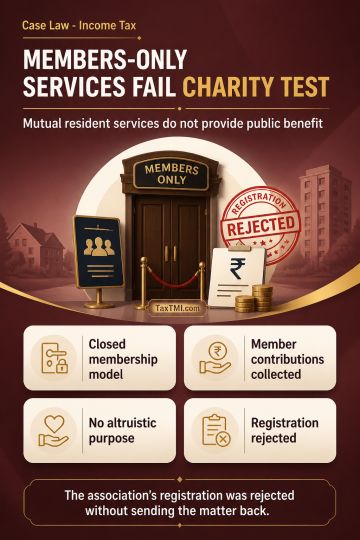
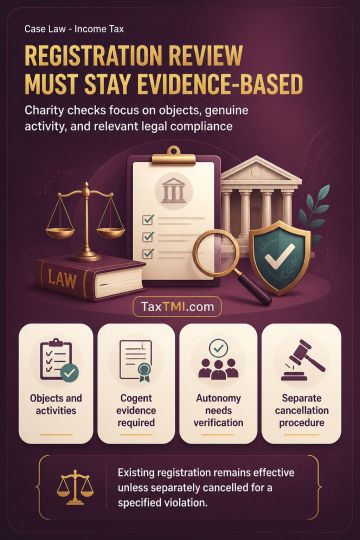
Public benefit requirement defeats charitable registration where residents' association services are reciprocal, member-only facilities governed by mu...
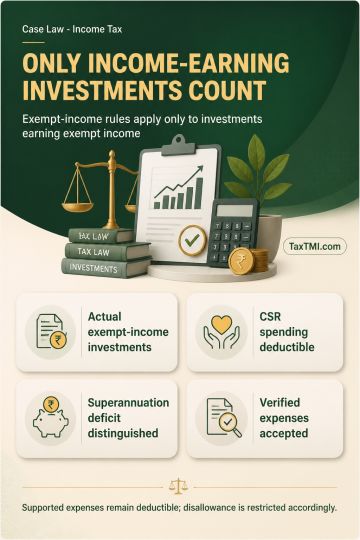
Exempt-income expenditure disallowance is confined to investments that actually generated exempt income, while supported business expenses remain dedu...
The case involved a dispute over the writ jurisdiction of the High Court post privatization of (AIL) by a private corporate entity. - Erstwhile Public sector undertaking (PSU) - The issue was whether the High Court could exercise writ jurisdiction over a private entity. The employee-writ petitioner argued that the petition was maintainable against the respondent at the time of filing. Various High Courts had held that a government company becoming a private entity would make it immune from writ jurisdiction. The Supreme Court held that the High Court could not issue a writ to a private entity that had taken over during the pendency of the case. The delay in disposal of the writ petitions was considered a valid ground to continue the case, but the appellants were directed to seek remedy from another forum. The appeal was dismissed, upholding the decision of the Bombay High Court to deny equitable relief and require the appellants to approach the appropriate forum for their grievances.
The case involved a dispute over the writ jurisdiction of the High Court post privatization of (AIL) by a private corporate entity. - Erstwhile Public sector undertaking (PSU) - The issue was whether the High Court could exercise writ jurisdiction over a private entity. The employee-writ petitioner argued that the petition was maintainable against the respondent at the time of filing. Various High Courts had held that a government company becoming a private entity would make it immune from writ jurisdiction. The Supreme Court held that the High Court could not issue a writ to a private entity that had taken over during the pendency of the case. The delay in disposal of the writ petitions was considered a valid ground to continue the case, but the appellants were directed to seek remedy from another forum. The appeal was dismissed, upholding the decision of the Bombay High Court to deny equitable relief and require the appellants to approach the appropriate forum for their grievances.
Note: It is a system-generated summary and is for quick reference only.
 TaxTMI
 of 4790




 Join Channel


 TaxTMI
