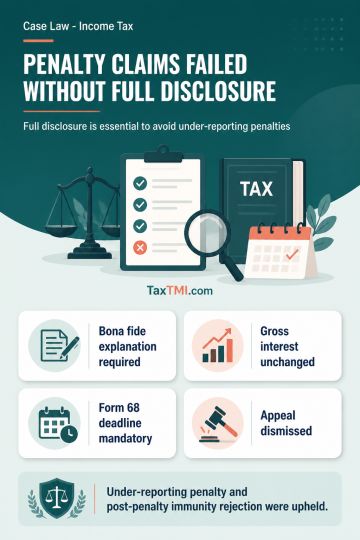
Bona fide disclosure requirements govern under-reporting penalties, and post-penalty immunity applications cannot secure available statutory protectio...
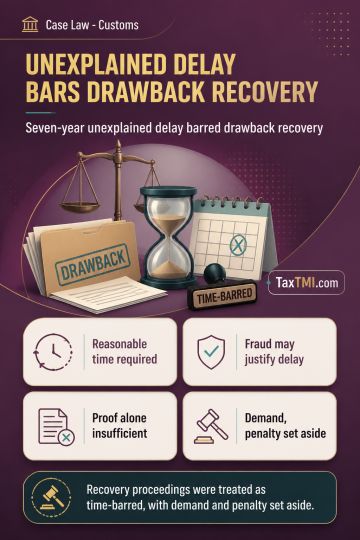
Certificate-of-origin verification procedure governs preferential customs benefits; denial without retroactive verification was set aside with consequ...
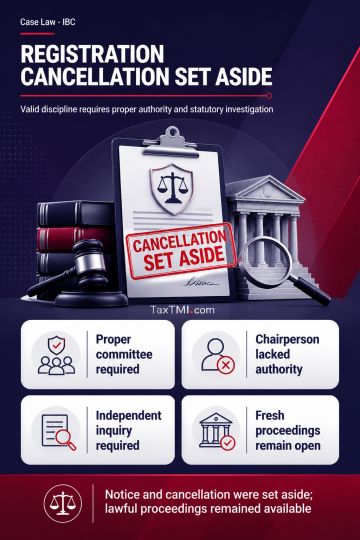
Disciplinary Committee jurisdiction and mandatory investigation requirements invalidated cancellation of an insolvency professional's registration and...
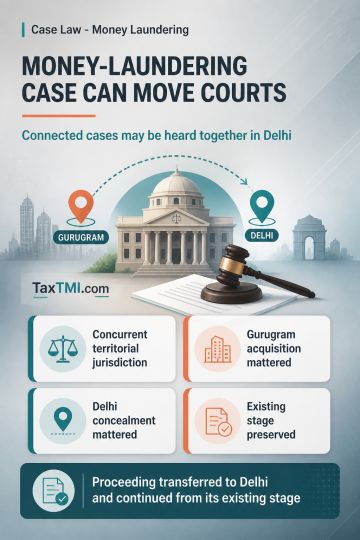
Retention of seized property survives where recorded reasons support proceeds of crime, while stayed investigation periods are excluded from limitatio...
The Madras High Court addressed a case involving best judgment assessment due to the petitioner's failure to file GST returns within the prescribed time limit. The court noted that the limitation period for filing returns was extended to 120 days from 30 days, effective from 01.10.2023. However, traders prior to this period were not eligible for the extended timeframe. The petitioner argued that the actual tax liability was Rs. 2 lakhs, paid belatedly in August 2023, while the best judgment amount was Rs. 5 lakhs. The court allowed the petitioner to apply for condonation of delay, showing a sympathetic approach, and disposed of the writ petition accordingly.
The Madras High Court addressed a case involving best judgment assessment due to the petitioner's failure to file GST returns within the prescribed time limit. The court noted that the limitation period for filing returns was extended to 120 days from 30 days, effective from 01.10.2023. However, traders prior to this period were not eligible for the extended timeframe. The petitioner argued that the actual tax liability was Rs. 2 lakhs, paid belatedly in August 2023, while the best judgment amount was Rs. 5 lakhs. The court allowed the petitioner to apply for condonation of delay, showing a sympathetic approach, and disposed of the writ petition accordingly.
Note: It is a system-generated summary and is for quick reference only.
 TaxTMI
 of 4796











 Join Channel


 TaxTMI