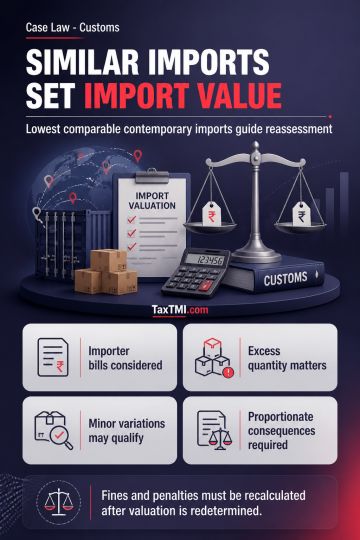
Customs valuation must use comparable contemporary imports, while confiscation fines and penalties require proportionate recalculation on reassessed v...
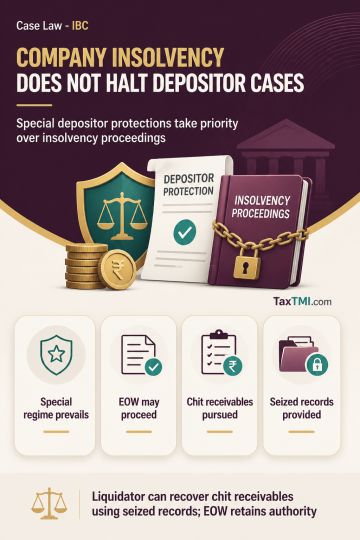
Depositor-protection proceedings prevail over corporate insolvency, while liquidators may recover chit receivables using copies of seized company reco...
Intermediary service classification fails where overseas admission facilitation is supplied independently, preserving export treatment and small-provi...
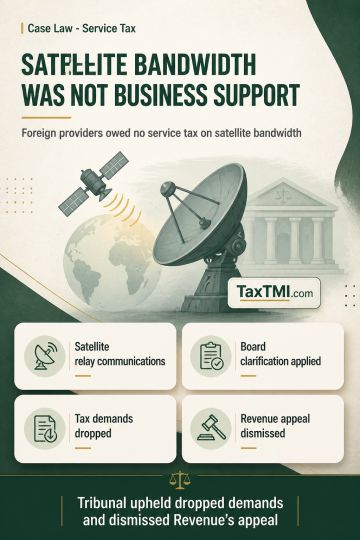
Satellite transponder bandwidth is telecommunication, not Business Support Service; foreign non-telegraph providers triggered no service tax liability...
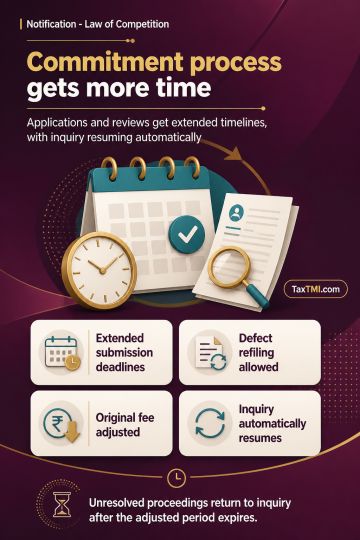
Commitment proceedings gain extended timelines, structured defect refiling, and automatic resumption of inquiry after the adjusted completion period e...
Amendment in the bills of entry u/s 149 of the Customs Act, 1962 (CA ’62) - refund of excess duty paid - Re-classifying the goods by changing the CTH - The Tribunal noted that the Assistant Commissioner’s rejection letter was ambiguous and lacked substantive reasoning, which the Commissioner (Appeals) failed to rectify. It emphasized the need for a proper order, following principles of natural justice. - The Tribunal disagreed with the lower authorities' interpretation that amendments under Section 149 are impermissible post-clearance for changes impacting duty assessment. It pointed to higher judicial rulings that allowed such amendments where documentary evidence existed. - Consequently, the Tribunal set aside the previous order and remanded the case back for reassessment under the correct CTH.
Amendment in the bills of entry u/s 149 of the Customs Act, 1962 (CA ’62) - refund of excess duty paid - Re-classifying the goods by changing the CTH - The Tribunal noted that the Assistant Commissioner’s rejection letter was ambiguous and lacked substantive reasoning, which the Commissioner (Appeals) failed to rectify. It emphasized the need for a proper order, following principles of natural justice. - The Tribunal disagreed with the lower authorities' interpretation that amendments under Section 149 are impermissible post-clearance for changes impacting duty assessment. It pointed to higher judicial rulings that allowed such amendments where documentary evidence existed. - Consequently, the Tribunal set aside the previous order and remanded the case back for reassessment under the correct CTH.
Note: It is a system-generated summary and is for quick reference only.
 TaxTMI
  TaxTMI
 of 4823






 Join Channel