Additional evidence in transfer pricing dispute leads to fresh examination, while tax deductions, TDS credit, fee and refund interest require verifica...
Category II AIF pass-through taxation preserves non-business income character; investment receipts cannot be reclassified without applying recognised ...
Mutual fund maturity rules require proper rollover, redemption, disclosure, and due diligence; investor gains cannot excuse regulatory breaches or pen...
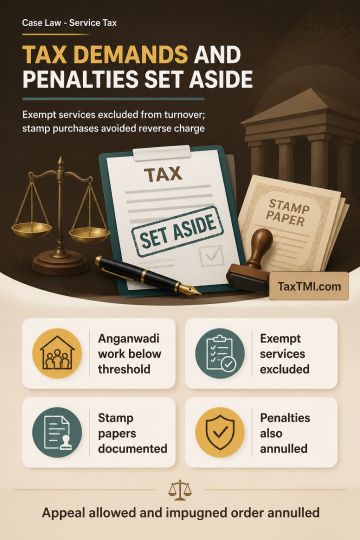
Threshold exemption excludes exempt services, while stamp-paper purchases avoid reverse charge; consequential service tax penalties were also set asid...
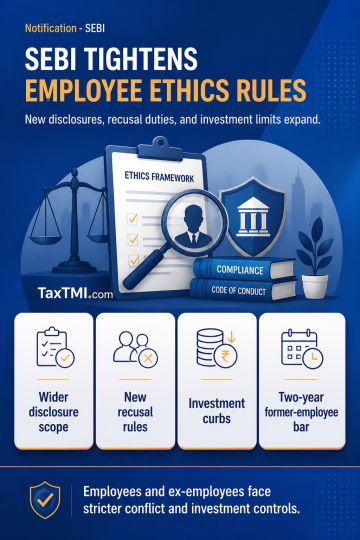
Employee conflict disclosures and investment restrictions expand with new recusal duties, post-employment limits, and compliance reporting requirement...
Insolvency and BankruptcyMarch 11, 2024Case LawsAT
CIRP - Unsecured Financial Creditor or not - Non-registration of charge before the Registrar of Companies - the mortgaged property, will form part of the Liquidation Estate or not - The tribunal recognized the appellant's mortgage rights, stating that non-registration of the mortgage under Section 77 of the Companies Act, 2013, does not invalidate the appellant's status as a secured creditor. It emphasized the rights of a mortgagee under the Transfer of Property Act, 1882, and the SARFAESI Act, 2002, should not be diluted by regulatory provisions introduced later. - The tribunal set aside the adjudicating authority's order, which had classified the appellant as an unsecured creditor, and recognized the appellant's status as a secured creditor.
CIRP - Unsecured Financial Creditor or not - Non-registration of charge before the Registrar of Companies - the mortgaged property, will form part of the Liquidation Estate or not - The tribunal recognized the appellant's mortgage rights, stating that non-registration of the mortgage under Section 77 of the Companies Act, 2013, does not invalidate the appellant's status as a secured creditor. It emphasized the rights of a mortgagee under the Transfer of Property Act, 1882, and the SARFAESI Act, 2002, should not be diluted by regulatory provisions introduced later. - The tribunal set aside the adjudicating authority's order, which had classified the appellant as an unsecured creditor, and recognized the appellant's status as a secured creditor.
Note: It is a system-generated summary and is for quick reference only.
 TaxTMI
 of 4803















 Join Channel


 TaxTMI
