Cooperative society deposits, member-interest TDS exemption and credit-facility deduction claims require verification through records and supporting e...
Customs jurisdiction over EPCG condition breaches survives export-obligation discharge certificates, requiring alleged fraud and misdeclaration to be ...
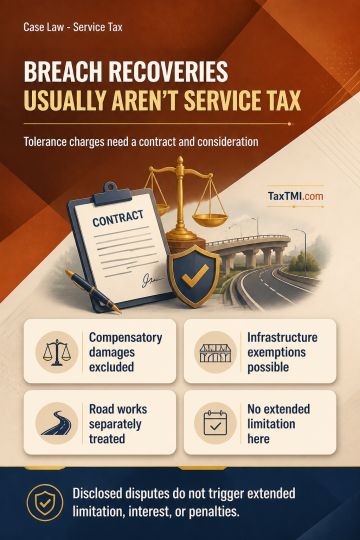
Contractual tolerance requires consideration; breach recoveries, qualifying public infrastructure services and road works escape service tax liability...
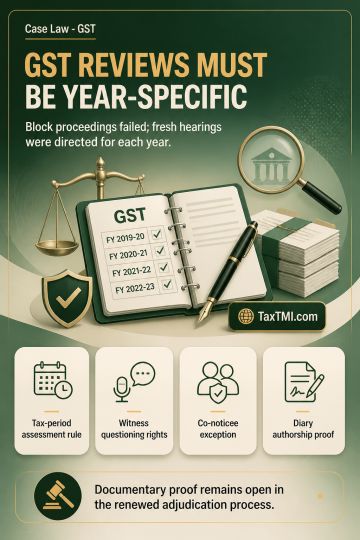
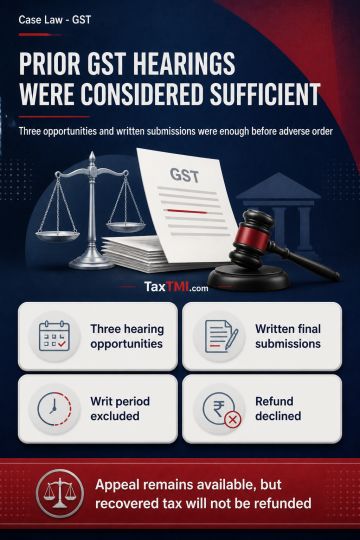
Personal hearing requirements in GST adjudication were satisfied by prior opportunities and written submissions; appellate limitation received writ-pe...
Insolvency and BankruptcyMarch 11, 2024Case LawsAT
CIRP - Unsecured Financial Creditor or not - Non-registration of charge before the Registrar of Companies - the mortgaged property, will form part of the Liquidation Estate or not - The tribunal recognized the appellant's mortgage rights, stating that non-registration of the mortgage under Section 77 of the Companies Act, 2013, does not invalidate the appellant's status as a secured creditor. It emphasized the rights of a mortgagee under the Transfer of Property Act, 1882, and the SARFAESI Act, 2002, should not be diluted by regulatory provisions introduced later. - The tribunal set aside the adjudicating authority's order, which had classified the appellant as an unsecured creditor, and recognized the appellant's status as a secured creditor.
CIRP - Unsecured Financial Creditor or not - Non-registration of charge before the Registrar of Companies - the mortgaged property, will form part of the Liquidation Estate or not - The tribunal recognized the appellant's mortgage rights, stating that non-registration of the mortgage under Section 77 of the Companies Act, 2013, does not invalidate the appellant's status as a secured creditor. It emphasized the rights of a mortgagee under the Transfer of Property Act, 1882, and the SARFAESI Act, 2002, should not be diluted by regulatory provisions introduced later. - The tribunal set aside the adjudicating authority's order, which had classified the appellant as an unsecured creditor, and recognized the appellant's status as a secured creditor.
Note: It is a system-generated summary and is for quick reference only.
 TaxTMI
 of 4792








 Join Channel


 TaxTMI