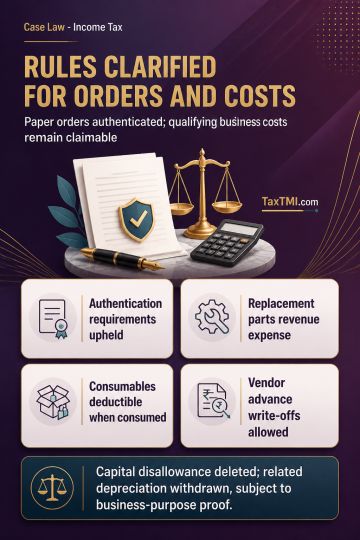
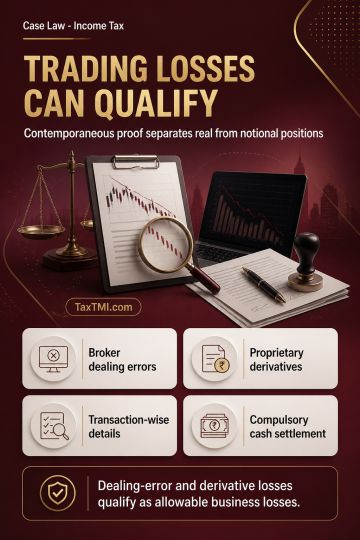
Authentication of paper assessment orders upheld, while qualifying repairs, consumables and vendor advance write-offs remain deductible business claim...
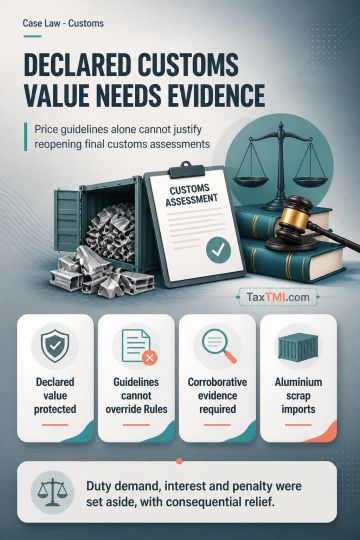
Transaction value cannot be rejected solely on non-statutory valuation guidelines without corroborative evidence supporting reassessment of final cust...
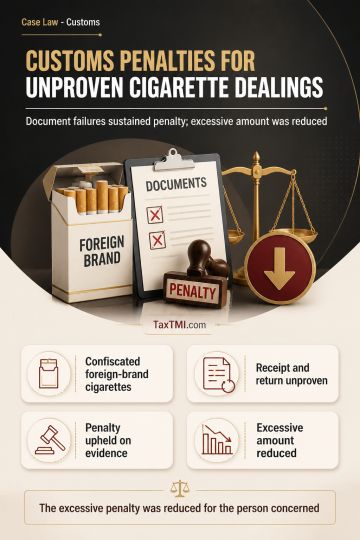
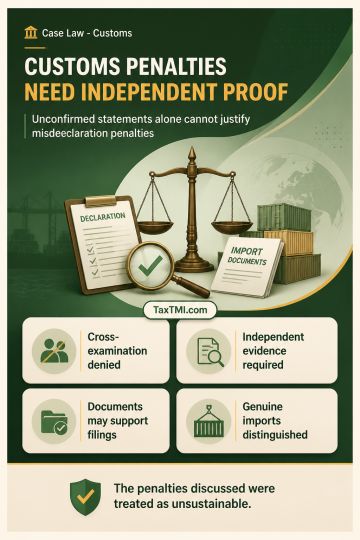
Cross-examination rights and corroborated evidence limit customs penalties for misdeclaration in genuine import transactions involving documented clea...
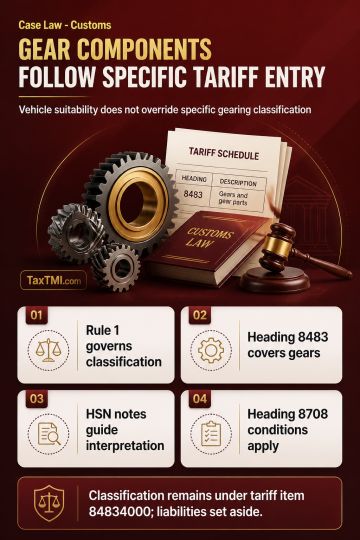
Tariff classification of vehicle gear components follows the specific gearing entry, displacing motor-vehicle parts classification and related liabili...
Insolvency and BankruptcyMarch 11, 2024Case LawsAT
CIRP - Unsecured Financial Creditor or not - Non-registration of charge before the Registrar of Companies - the mortgaged property, will form part of the Liquidation Estate or not - The tribunal recognized the appellant's mortgage rights, stating that non-registration of the mortgage under Section 77 of the Companies Act, 2013, does not invalidate the appellant's status as a secured creditor. It emphasized the rights of a mortgagee under the Transfer of Property Act, 1882, and the SARFAESI Act, 2002, should not be diluted by regulatory provisions introduced later. - The tribunal set aside the adjudicating authority's order, which had classified the appellant as an unsecured creditor, and recognized the appellant's status as a secured creditor.
CIRP - Unsecured Financial Creditor or not - Non-registration of charge before the Registrar of Companies - the mortgaged property, will form part of the Liquidation Estate or not - The tribunal recognized the appellant's mortgage rights, stating that non-registration of the mortgage under Section 77 of the Companies Act, 2013, does not invalidate the appellant's status as a secured creditor. It emphasized the rights of a mortgagee under the Transfer of Property Act, 1882, and the SARFAESI Act, 2002, should not be diluted by regulatory provisions introduced later. - The tribunal set aside the adjudicating authority's order, which had classified the appellant as an unsecured creditor, and recognized the appellant's status as a secured creditor.
Note: It is a system-generated summary and is for quick reference only.
 TaxTMI
 of 4792








 Join Channel


 TaxTMI