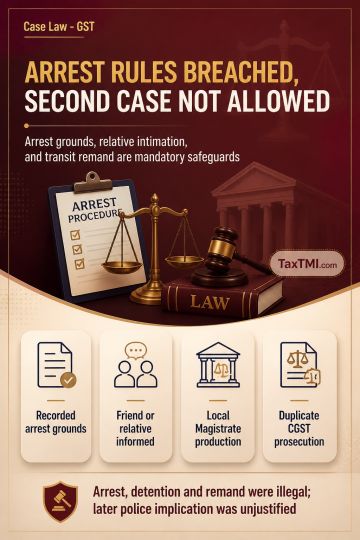
Arrest safeguards require disclosed grounds, relative intimation and transit remand, while duplicate prosecution under the CGST framework is unsustain...
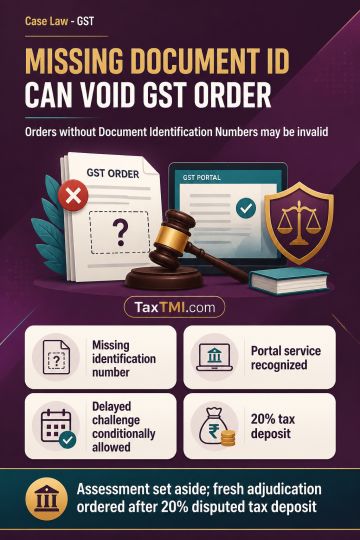
Document Identification Number defects can invalidate GST assessments, with delayed challenges entertained conditionally where patent irregularities e...
Windmill commissioning evidence supported higher depreciation where grid connection and electricity generation proved operational use before the relev...
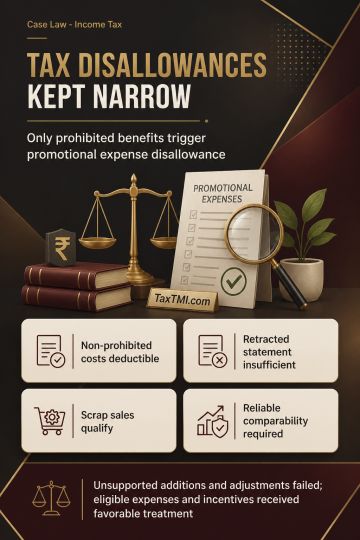
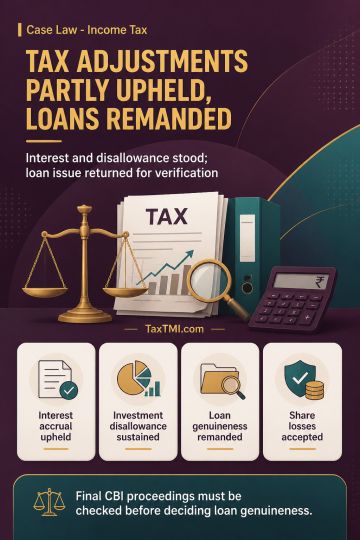
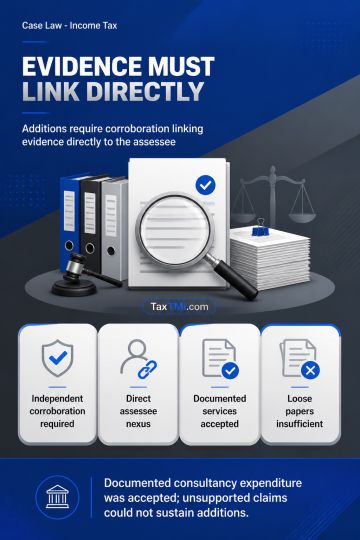
Pharmaceutical promotion and transfer-pricing comparability principles limited disallowances, while uncorroborated search allegations and unsupported ...
Business expenditure substantiation supports scrap credits, statutory payments and expense claims, while depreciation requires proof of actual busines...
Dishonor of cheques - Condonation of delay of 1259 days in filing the complaint for an offence punishable u/s 138 of the Negotiable Instruments Act, 1881 - Exercise of Discretion by Lower Courts- sufficient reason to condone the delay or not - The High courts uphold the discretion exercised by the lower courts, emphasizing the importance of balancing procedural requirements with substantive justice. - Various legal principles and precedents are cited and analyzed throughout the proceedings, including the liberal interpretation of the concept of "sufficient cause" for condonation of delay and the significance of balancing substantive justice with procedural requirements. - Ultimately, the court dismisses the petition, affirming the lower courts' exercise of discretion to condone the delay.
Dishonor of cheques - Condonation of delay of 1259 days in filing the complaint for an offence punishable u/s 138 of the Negotiable Instruments Act, 1881 - Exercise of Discretion by Lower Courts- sufficient reason to condone the delay or not - The High courts uphold the discretion exercised by the lower courts, emphasizing the importance of balancing procedural requirements with substantive justice. - Various legal principles and precedents are cited and analyzed throughout the proceedings, including the liberal interpretation of the concept of "sufficient cause" for condonation of delay and the significance of balancing substantive justice with procedural requirements. - Ultimately, the court dismisses the petition, affirming the lower courts' exercise of discretion to condone the delay.
Note: It is a system-generated summary and is for quick reference only.
 TaxTMI
 of 4805















 Join Channel


 TaxTMI