Origin Declaration authentication governs preferential tariff claims under India-UK CETA, requiring a validated reference number before import clearan...
Separate assessment orders for different years remain valid when distinct notices and hearing opportunities prevent prejudice from combined proceeding...
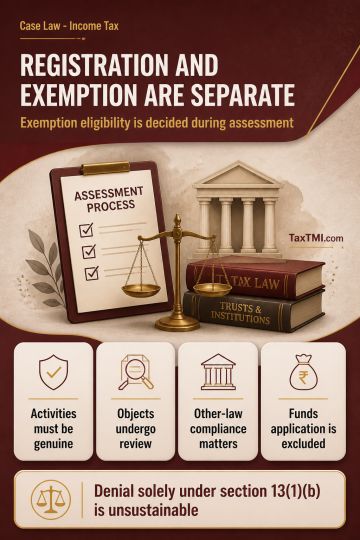
Defined public benefit can retain charitable character; registration renewal requires examining genuine activities and legal compliance, not surplus a...
Capital reduction is distinct from share buy-back, preventing buy-back tax; restructuring interest and related business deductions also survive scruti...
The circular issued by the Central Board of Excise and Customs on January 1, 2013, instructs department officers to initiate recovery proceedings on confirmed demands unless a stay order is in place. The article outlines the appeal process and time limits under the Central Excise Act, 1944, and the Finance Act, 1994, for both central excise and service tax. It emphasizes the importance of filing appeals and stay petitions promptly to prevent recovery actions. The article also highlights legal recourse, such as filing writ petitions in High Courts, to seek interim relief against coercive recovery measures by the department.
The circular issued by the Central Board of Excise and Customs on January 1, 2013, instructs department officers to initiate recovery proceedings on confirmed demands unless a stay order is in place. The article outlines the appeal process and time limits under the Central Excise Act, 1944, and the Finance Act, 1994, for both central excise and service tax. It emphasizes the importance of filing appeals and stay petitions promptly to prevent recovery actions. The article also highlights legal recourse, such as filing writ petitions in High Courts, to seek interim relief against coercive recovery measures by the department.
Note: It is a system-generated summary and is for quick reference only.
 TaxTMI
  TaxTMI
 of 4811



















 Join Channel


