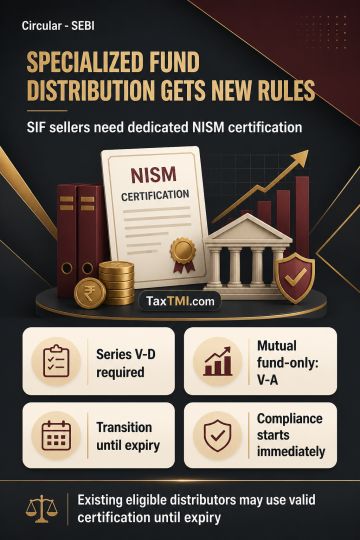
Specialized Investment Fund distribution now requires dedicated certification, while transitional recognition preserves existing qualified distributor...
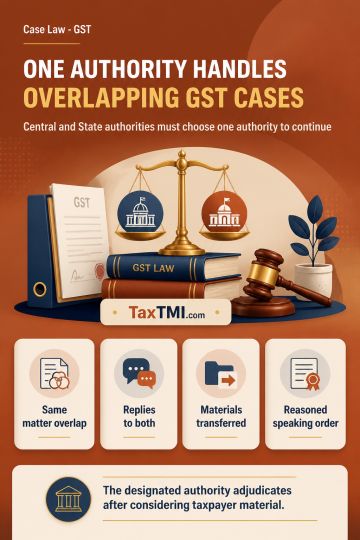
Overlapping GST proceedings require Central and State authorities to designate one competent authority for coordinated adjudication of the same matter...
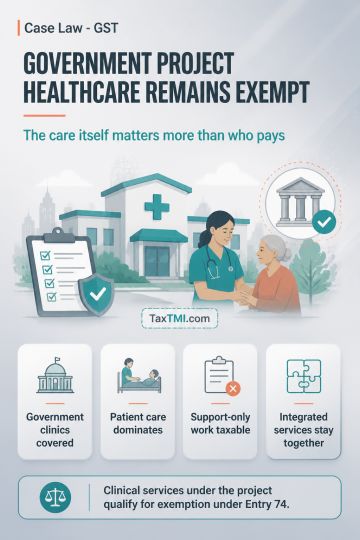
Composite healthcare supplies retain exemption when patient care is the contract's essential character, despite payment through an implementing agency...
The circular issued by the Central Board of Excise and Customs on January 1, 2013, instructs department officers to initiate recovery proceedings on confirmed demands unless a stay order is in place. The article outlines the appeal process and time limits under the Central Excise Act, 1944, and the Finance Act, 1994, for both central excise and service tax. It emphasizes the importance of filing appeals and stay petitions promptly to prevent recovery actions. The article also highlights legal recourse, such as filing writ petitions in High Courts, to seek interim relief against coercive recovery measures by the department.
The circular issued by the Central Board of Excise and Customs on January 1, 2013, instructs department officers to initiate recovery proceedings on confirmed demands unless a stay order is in place. The article outlines the appeal process and time limits under the Central Excise Act, 1944, and the Finance Act, 1994, for both central excise and service tax. It emphasizes the importance of filing appeals and stay petitions promptly to prevent recovery actions. The article also highlights legal recourse, such as filing writ petitions in High Courts, to seek interim relief against coercive recovery measures by the department.
Note: It is a system-generated summary and is for quick reference only.
 TaxTMI
  TaxTMI
 of 4807







 Join Channel