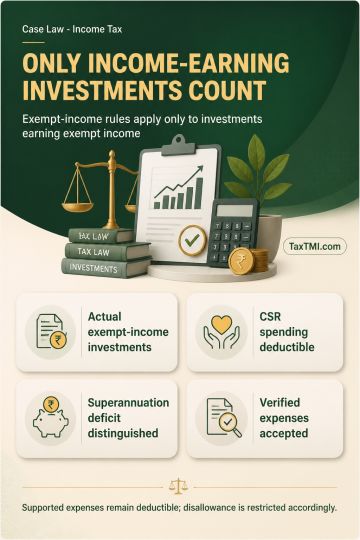
Exempt-income expenditure disallowance is confined to investments that actually generated exempt income, while supported business expenses remain dedu...
Objective characteristics and principal use govern mining-tyre classification, while fresh advance ruling applications may rely on additional technica...
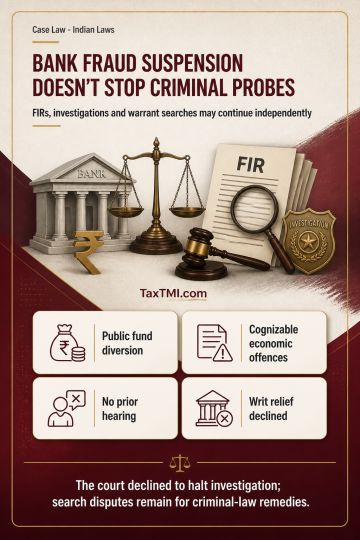
Administrative fraud classification suspension does not halt independent criminal investigation or warrant-based searches into alleged economic offenc...
The circular issued by the Central Board of Excise and Customs on January 1, 2013, instructs department officers to initiate recovery proceedings on confirmed demands unless a stay order is in place. The article outlines the appeal process and time limits under the Central Excise Act, 1944, and the Finance Act, 1994, for both central excise and service tax. It emphasizes the importance of filing appeals and stay petitions promptly to prevent recovery actions. The article also highlights legal recourse, such as filing writ petitions in High Courts, to seek interim relief against coercive recovery measures by the department.
The circular issued by the Central Board of Excise and Customs on January 1, 2013, instructs department officers to initiate recovery proceedings on confirmed demands unless a stay order is in place. The article outlines the appeal process and time limits under the Central Excise Act, 1944, and the Finance Act, 1994, for both central excise and service tax. It emphasizes the importance of filing appeals and stay petitions promptly to prevent recovery actions. The article also highlights legal recourse, such as filing writ petitions in High Courts, to seek interim relief against coercive recovery measures by the department.
Note: It is a system-generated summary and is for quick reference only.
 TaxTMI
 of 4805








 Join Channel


 TaxTMI