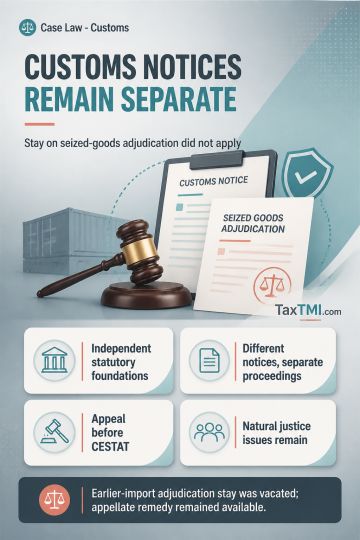
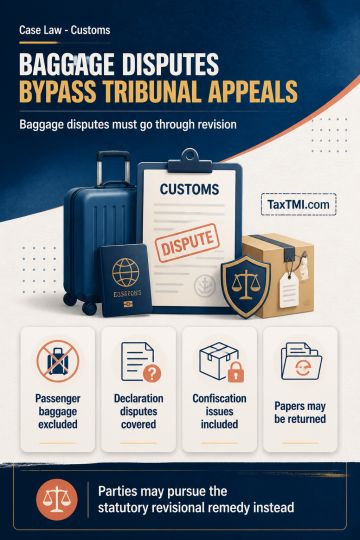
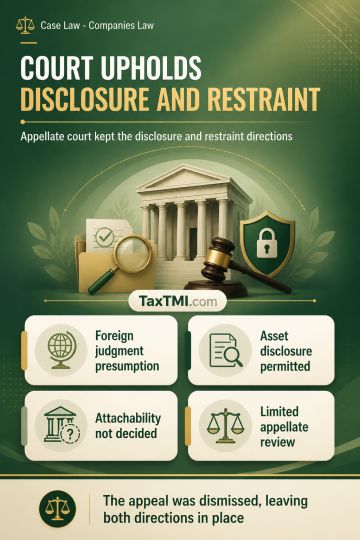
Independent show-cause notices remain separate proceedings, while customs adjudication challenges should ordinarily follow the statutory appellate rem...
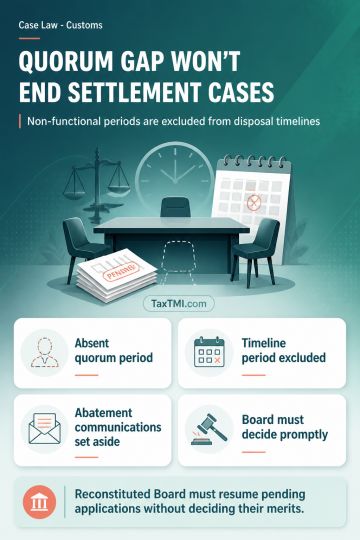
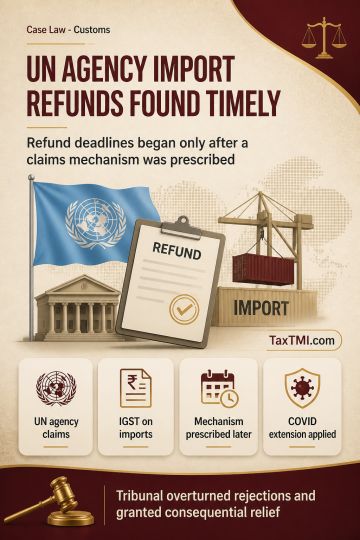
Institutional incapacity in customs settlement proceedings excludes non-functional quorum periods from statutory disposal timelines, preventing automa...
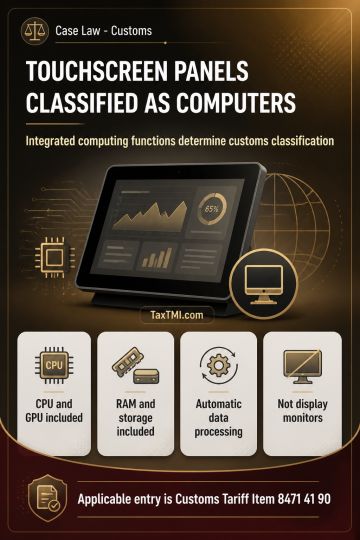
Interactive touchscreen panels with integrated computing functions fall under automatic data-processing machines rather than display monitors for cust...
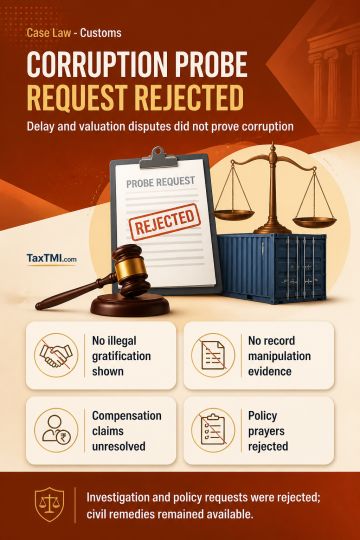
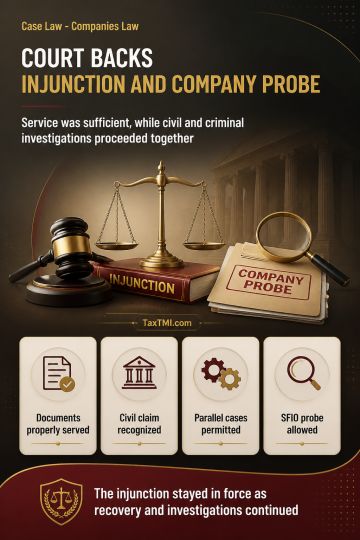
Ex parte injunction service requirements were substantially met, while civil recovery and SFIO investigation into provident fund defalcation continued...
The circular issued by the Central Board of Excise and Customs on January 1, 2013, instructs department officers to initiate recovery proceedings on confirmed demands unless a stay order is in place. The article outlines the appeal process and time limits under the Central Excise Act, 1944, and the Finance Act, 1994, for both central excise and service tax. It emphasizes the importance of filing appeals and stay petitions promptly to prevent recovery actions. The article also highlights legal recourse, such as filing writ petitions in High Courts, to seek interim relief against coercive recovery measures by the department.
The circular issued by the Central Board of Excise and Customs on January 1, 2013, instructs department officers to initiate recovery proceedings on confirmed demands unless a stay order is in place. The article outlines the appeal process and time limits under the Central Excise Act, 1944, and the Finance Act, 1994, for both central excise and service tax. It emphasizes the importance of filing appeals and stay petitions promptly to prevent recovery actions. The article also highlights legal recourse, such as filing writ petitions in High Courts, to seek interim relief against coercive recovery measures by the department.
Note: It is a system-generated summary and is for quick reference only.
 TaxTMI
 of 4805




 Join Channel


 TaxTMI