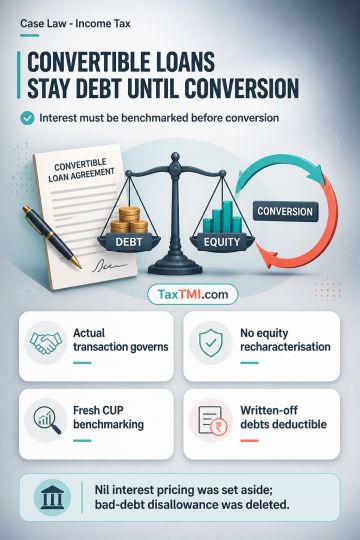
Belated Form 10B filing during Covid-19 cannot defeat charitable exemption where genuine hardship warrants condonation and substantial justice prevail...
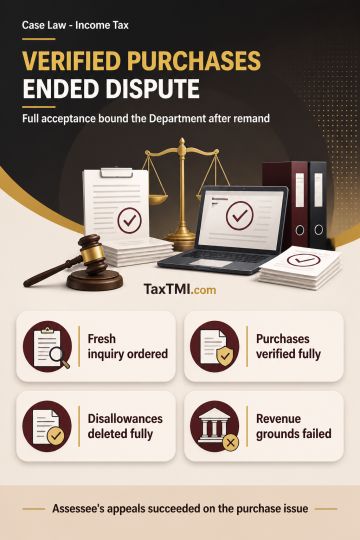
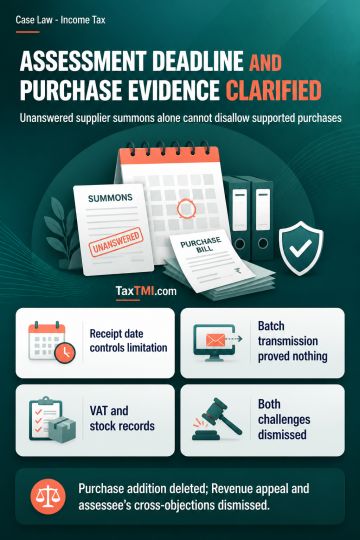
Limitation for consequential assessments runs from prescribed authority receipt, while verified purchases cannot be disallowed merely for unanswered s...
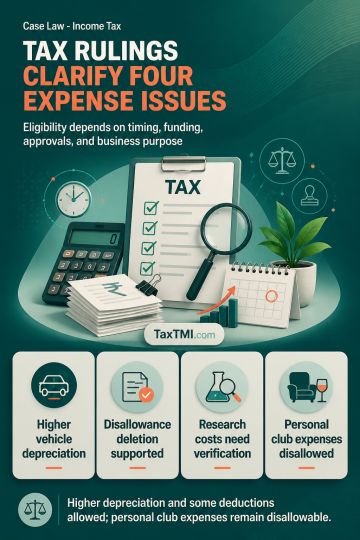
Higher depreciation for qualifying commercial vehicles, exempt-income disallowance, research deduction verification, and club-expense treatment clarif...
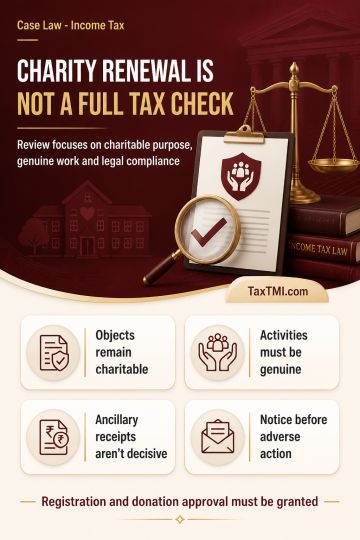
Charitable registration renewal cannot become an assessment of receipts, profitability or annual exemption compliance, requiring renewal and donation ...
AMP expenditure for own business is not an international transaction without an associated-enterprise arrangement, eliminating transfer pricing adjust...
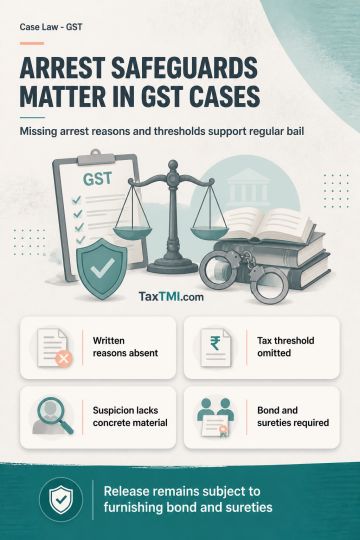
Sections 69 and 132 of the CGST Act are addressed in relation to regular bail for allegations of fraudulent invoices, wrongful input tax credit, falsified records and shell entities. Arrest requires recorded reasons to believe tax evasion or the specified conditions under section 132. The absence of those reasons in the arrest authorisation and memo, together with omission of the applicable tax-evasion threshold relevant to conviction, is treated as indicating suspicion rather than concrete material. These deficiencies support release on regular bail, subject to furnishing a bond and sureties.
Sections 69 and 132 of the CGST Act are addressed in relation to regular bail for allegations of fraudulent invoices, wrongful input tax credit, falsified records and shell entities. Arrest requires recorded reasons to believe tax evasion or the specified conditions under section 132. The absence of those reasons in the arrest authorisation and memo, together with omission of the applicable tax-evasion threshold relevant to conviction, is treated as indicating suspicion rather than concrete material. These deficiencies support release on regular bail, subject to furnishing a bond and sureties.
Note: It is a system-generated summary and is for quick reference only.
 TaxTMI
  TaxTMI
 of 4827







 Join Channel