Dispute Resolution Panel objections must reach both prescribed forums; otherwise assessment may proceed and statutory appeal remains the proper remedy...
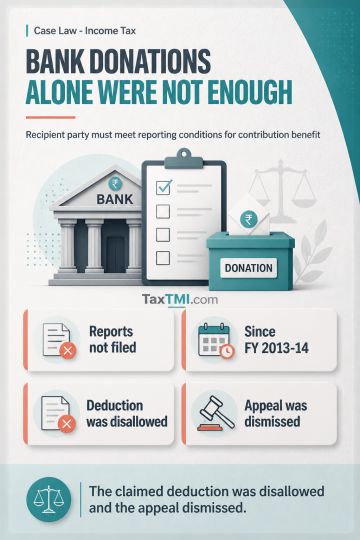
Political contribution deductions require recipient party compliance with contribution-reporting conditions; banking-channel donations alone do not qu...
Aggregation under TNMM prevents selective testing of intra-group services without comparable uncontrolled transactions, while appellate additional cla...
Protective assessment cannot duplicate identical receipts under competing characterisations; remote services did not establish a taxable permanent est...
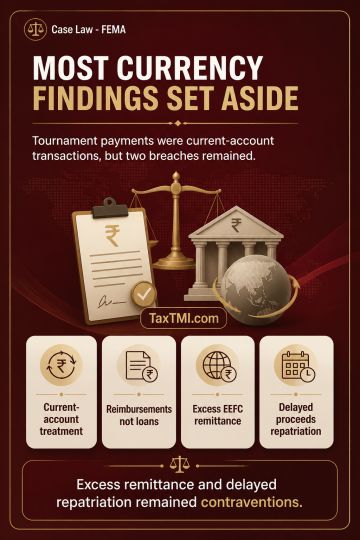
Current account treatment of overseas tournament services removed most FEMA findings, but excess EEFC remittance and delayed repatriation remained bre...
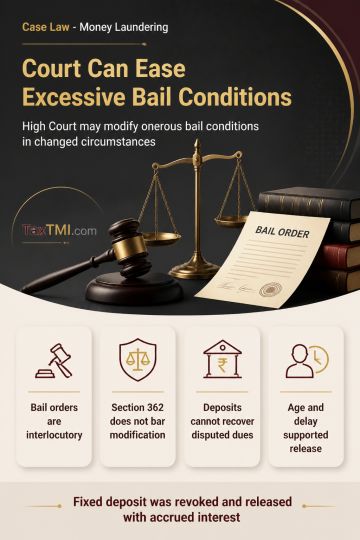
Modification of bail conditions remains available through inherent jurisdiction where onerous deposits undermine justice and cannot recover disputed d...
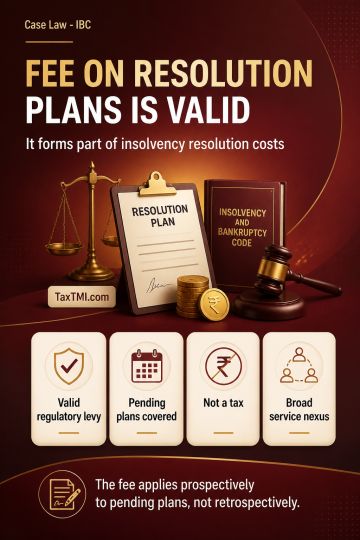
Regulation 31A authorises a regulatory fee on resolution plans as part of insolvency resolution process costs. The Insolvency and Bankruptcy Board's powers to levy fees and make regulations extend across the corporate insolvency resolution process and are not confined to service-provider registration or renewal. The residuary category of process costs may include the fee because the listed costs share no common genus limiting that power. The levy is a regulatory fee, not a tax: a broad nexus with regulatory services is sufficient and exact quid pro quo is unnecessary. It is neither arbitrary nor excessive merely because the regulator generates a surplus. The proviso applies prospectively to resolution plans pending adjudicatory approval and does not impose retrospective liability.
Regulation 31A authorises a regulatory fee on resolution plans as part of insolvency resolution process costs. The Insolvency and Bankruptcy Board's powers to levy fees and make regulations extend across the corporate insolvency resolution process and are not confined to service-provider registration or renewal. The residuary category of process costs may include the fee because the listed costs share no common genus limiting that power. The levy is a regulatory fee, not a tax: a broad nexus with regulatory services is sufficient and exact quid pro quo is unnecessary. It is neither arbitrary nor excessive merely because the regulator generates a surplus. The proviso applies prospectively to resolution plans pending adjudicatory approval and does not impose retrospective liability.
Note: It is a system-generated summary and is for quick reference only.
 TaxTMI
 of 4805














 Join Channel


 TaxTMI
