Retention of seized property survives where recorded reasons support proceeds of crime, while stayed investigation periods are excluded from limitatio...
Specified income of Baddi Barotiwala Nalagarh Development Authority receives conditional tax exemption, retrospectively covering its designated assess...
Specified development authority income receives retrospective tax exemption, subject to non-commercial activity, unchanged income sources, and return-...
Unified Brand India framework introduces voluntary Trust Mark certification and funding support for export branding, packaging and global promotional ...
Origin Declaration authentication governs preferential tariff claims under India-UK CETA, requiring a validated reference number before import clearan...
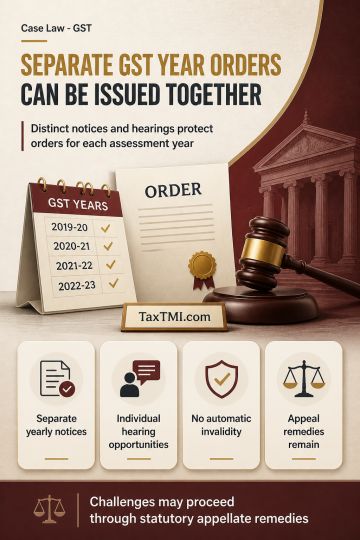
Separate assessment orders for different years remain valid when distinct notices and hearing opportunities prevent prejudice from combined proceeding...
Fire-damaged motor cars brought with a vessel for ship-breaking may be classified as scrap where extensive damage has destroyed their identity and utility as motor vehicles, and salvage arrangements restrict disposal to demolition. Such goods are not restricted commercial or passenger vehicles, usable second-hand goods, or prohibited imports; confiscation for import without a licence is therefore not attracted. Unloading requires physical removal of cargo from a vessel; berthing at a notified ship-breaking port is not unloading. Where no unauthorised removal or other statutory contravention is established, neither the scrap cargo nor the vessel carrying it is liable to confiscation, and consequential penalties are unsustainable.
Fire-damaged motor cars brought with a vessel for ship-breaking may be classified as scrap where extensive damage has destroyed their identity and utility as motor vehicles, and salvage arrangements restrict disposal to demolition. Such goods are not restricted commercial or passenger vehicles, usable second-hand goods, or prohibited imports; confiscation for import without a licence is therefore not attracted. Unloading requires physical removal of cargo from a vessel; berthing at a notified ship-breaking port is not unloading. Where no unauthorised removal or other statutory contravention is established, neither the scrap cargo nor the vessel carrying it is liable to confiscation, and consequential penalties are unsustainable.
Note: It is a system-generated summary and is for quick reference only.
 TaxTMI
 of 4805



















 Join Channel



 TaxTMI
