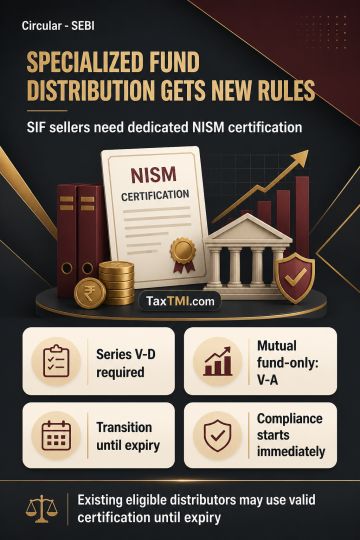
Specialized Investment Fund distribution now requires dedicated certification, while transitional recognition preserves existing qualified distributor...
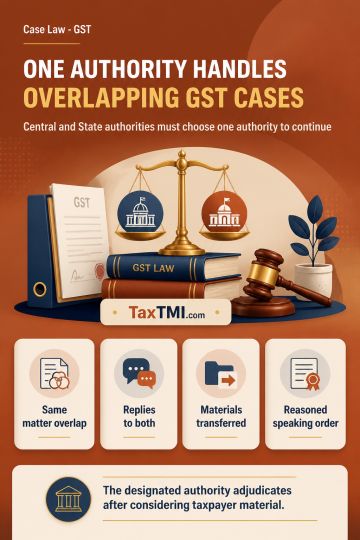
Overlapping GST proceedings require Central and State authorities to designate one competent authority for coordinated adjudication of the same matter...
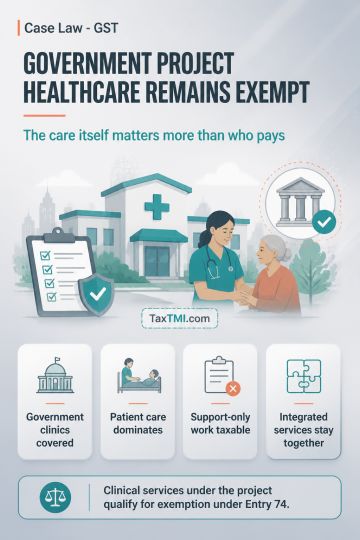
Composite healthcare supplies retain exemption when patient care is the contract's essential character, despite payment through an implementing agency...
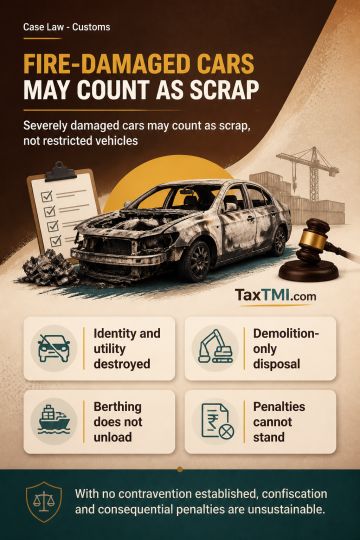
Fire-damaged motor cars brought with a vessel for ship-breaking may be classified as scrap where extensive damage has destroyed their identity and utility as motor vehicles, and salvage arrangements restrict disposal to demolition. Such goods are not restricted commercial or passenger vehicles, usable second-hand goods, or prohibited imports; confiscation for import without a licence is therefore not attracted. Unloading requires physical removal of cargo from a vessel; berthing at a notified ship-breaking port is not unloading. Where no unauthorised removal or other statutory contravention is established, neither the scrap cargo nor the vessel carrying it is liable to confiscation, and consequential penalties are unsustainable.
Fire-damaged motor cars brought with a vessel for ship-breaking may be classified as scrap where extensive damage has destroyed their identity and utility as motor vehicles, and salvage arrangements restrict disposal to demolition. Such goods are not restricted commercial or passenger vehicles, usable second-hand goods, or prohibited imports; confiscation for import without a licence is therefore not attracted. Unloading requires physical removal of cargo from a vessel; berthing at a notified ship-breaking port is not unloading. Where no unauthorised removal or other statutory contravention is established, neither the scrap cargo nor the vessel carrying it is liable to confiscation, and consequential penalties are unsustainable.
Note: It is a system-generated summary and is for quick reference only.
 TaxTMI
 of 4805



 Join Channel


 TaxTMI