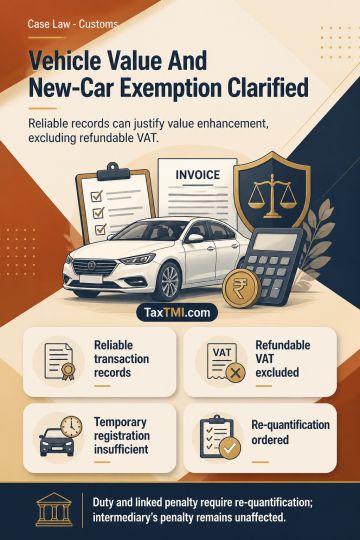
Transaction value rejection requires reliable corroboration; refundable VAT is excluded and temporary registration does not defeat new-vehicle exempti...
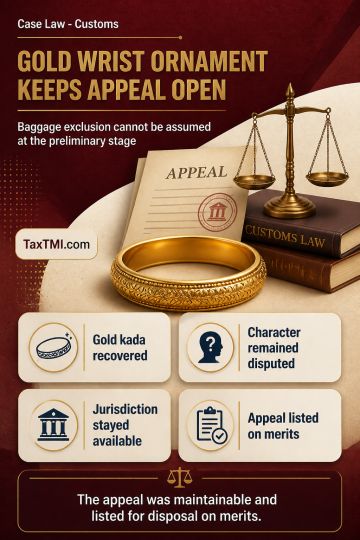
Appellate jurisdiction remains available where a wrist-worn gold ornament cannot conclusively be characterised as imported baggage at the preliminary ...
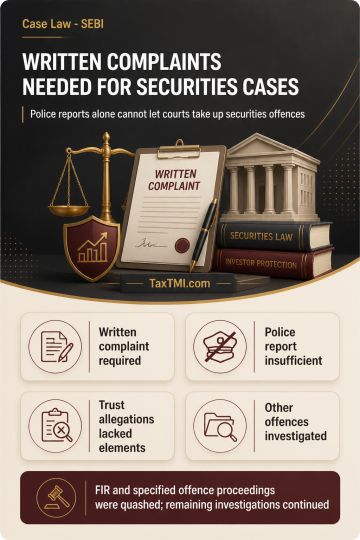
Written complaint requirement bars cognizance on police reports for securities offences, while unsupported breach of trust and cheating allegations fa...
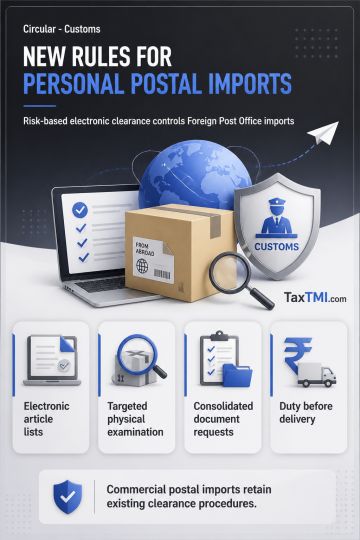
Risk-based postal import clearance standardises electronic assessment, document requests, duty realisation and delivery controls at Foreign Post Offic...
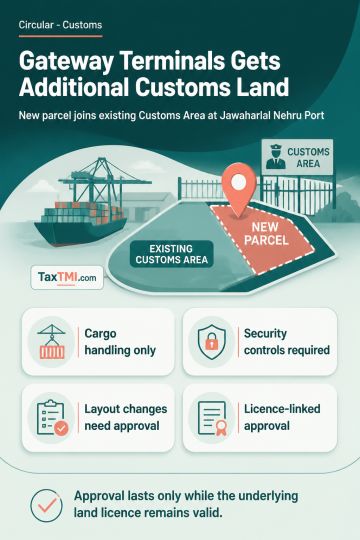
Customs Cargo Service Provider appointment extends custodianship to additional terminal land, subject to cargo-control, security and licence condition...
Registration of a partnership firm was proved by the Registrar...
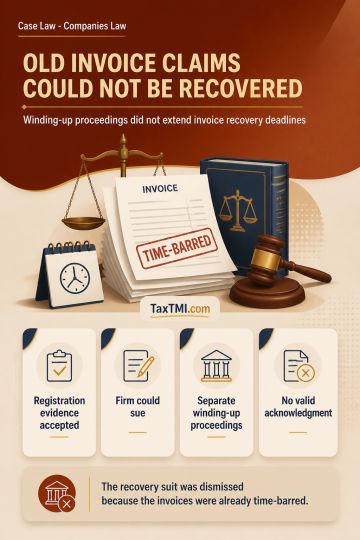
Invoice-based recovery claims remain time-barred despite separate winding-up proceedings, absent valid acknowledgment or part-payment of the disputed invoices.
Contents
Summary
Note
Bookmark
Share
✓ Copied successfully !
Print
Print Options
For full text, please login
Login to TaxTMI
Verification Pending
The Email Id has not been verified. Click on the link we have sent on
Registration of a partnership firm was proved by the Registrar of Firms' memorandum and a certified Form-VIII admitted as additional evidence because it enabled judgment and furthered justice. The firm was therefore competent to institute the suit. Limitation for invoice-based recovery was not extended or suspended by winding-up proceedings, which are independent of a civil money-recovery suit. The claim was based on individual invoices rather than a running account, and the relied-on communication neither acknowledged the disputed debt nor constituted part-payment for those invoices. As the relevant invoices were already time-barred, the recovery suit was dismissed.
Registration of a partnership firm was proved by the Registrar of Firms' memorandum and a certified Form-VIII admitted as additional evidence because it enabled judgment and furthered justice. The firm was therefore competent to institute the suit. Limitation for invoice-based recovery was not extended or suspended by winding-up proceedings, which are independent of a civil money-recovery suit. The claim was based on individual invoices rather than a running account, and the relied-on communication neither acknowledged the disputed debt nor constituted part-payment for those invoices. As the relevant invoices were already time-barred, the recovery suit was dismissed.
Note: It is a system-generated summary and is for quick reference only.
 TaxTMI
 of 4792



 Join Channel


 TaxTMI