Advance-ruling mechanism governs pending GST classification, exemption and taxability disputes, limiting writ review once the specialised forum functi...
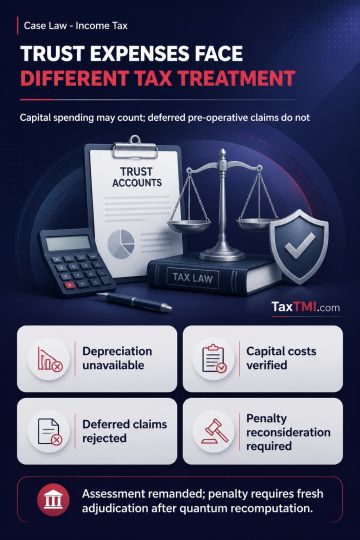
Charitable trust income application permits verified capital expenditure but rejects deferred pre-operative claims and requires reconsideration of con...
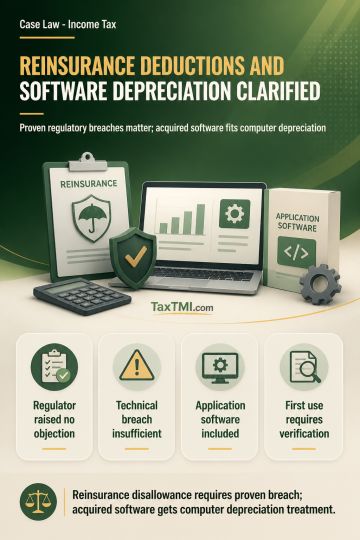
Reinsurance premium deductions require established regulatory breaches, while independently acquired software qualifies within the computer depreciati...
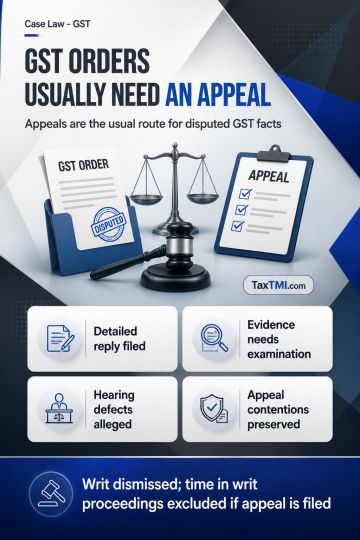
GST adjudication orders should ordinarily be challenged through the statutory appellate remedy where the taxpayer participated in proceedings and filed a detailed reply. Allegations concerning inadequate reasoning, service defects without demonstrated prejudice, electronic evidence, cross-examination, and overlap with an earlier statutory audit involve disputed facts and evidentiary assessment suitable for appellate examination. Writ jurisdiction is not ordinarily exercised unless a recognised exceptional ground, including a genuine breach of natural justice, is established. The writ petition was dismissed while preserving factual and legal contentions for appeal, and the writ-pendency period was excluded from limitation if an appeal is filed.
GST adjudication orders should ordinarily be challenged through the statutory appellate remedy where the taxpayer participated in proceedings and filed a detailed reply. Allegations concerning inadequate reasoning, service defects without demonstrated prejudice, electronic evidence, cross-examination, and overlap with an earlier statutory audit involve disputed facts and evidentiary assessment suitable for appellate examination. Writ jurisdiction is not ordinarily exercised unless a recognised exceptional ground, including a genuine breach of natural justice, is established. The writ petition was dismissed while preserving factual and legal contentions for appeal, and the writ-pendency period was excluded from limitation if an appeal is filed.
Note: It is a system-generated summary and is for quick reference only.
 TaxTMI
 of 4798











 Join Channel


 TaxTMI
