Clean slate principle extinguishes uncrystallised operational claims and bars continuation of pending recovery and arbitral proceedings after plan app...
Works contract classification governs composite layout-development contracts where VAT-paid goods are transferred alongside construction and infrastru...
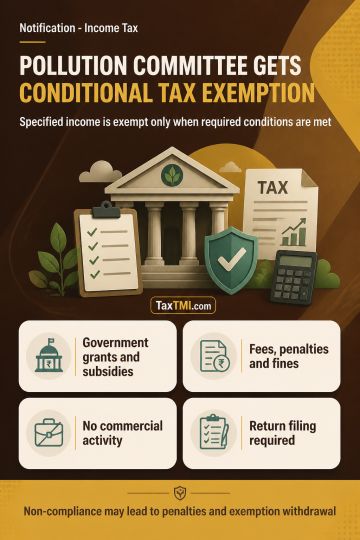
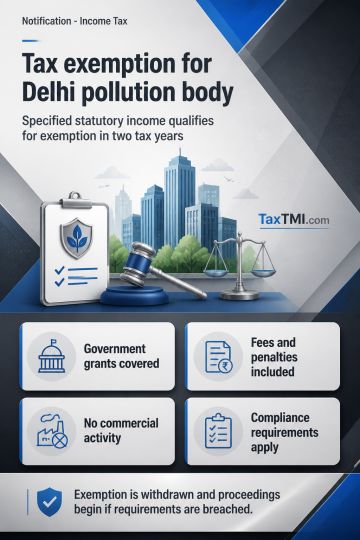
Specified income tax exemption for pollution control body remains conditional on non-commercial activity, unchanged income character, and return filin...
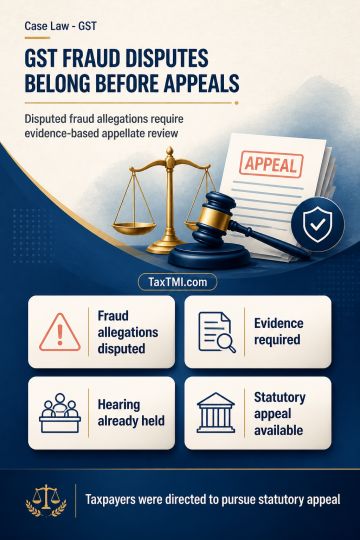
Writ jurisdiction against a GST demand was not considered appropriate where allegations of fraudulent registration, identity theft and forgery created disputed factual questions requiring evidence. As the impugned order addressed the taxpayers' submissions after a hearing, its factual findings were suitable for review by the statutory appellate authority. The High Court therefore declined to examine the merits and directed the taxpayers to pursue the available statutory appeal, with liberty to seek exclusion of the time spent prosecuting the writ petition for limitation purposes.
Writ jurisdiction against a GST demand was not considered appropriate where allegations of fraudulent registration, identity theft and forgery created disputed factual questions requiring evidence. As the impugned order addressed the taxpayers' submissions after a hearing, its factual findings were suitable for review by the statutory appellate authority. The High Court therefore declined to examine the merits and directed the taxpayers to pursue the available statutory appeal, with liberty to seek exclusion of the time spent prosecuting the writ petition for limitation purposes.
Note: It is a system-generated summary and is for quick reference only.
 TaxTMI
  TaxTMI
 of 4816














 Join Channel