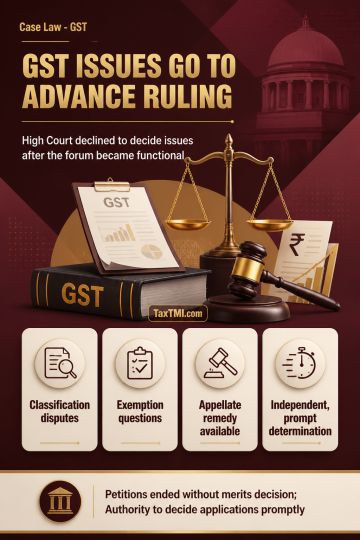
Advance-ruling mechanism governs pending GST classification, exemption and taxability disputes, limiting writ review once the specialised forum functi...
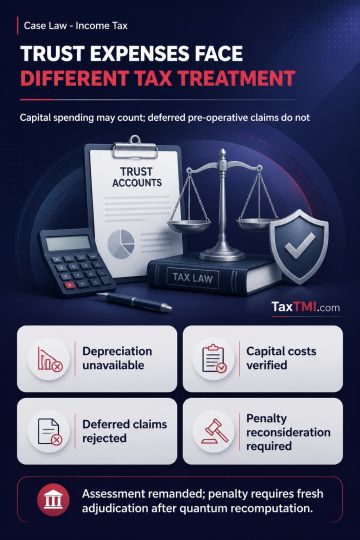
Charitable trust income application permits verified capital expenditure but rejects deferred pre-operative claims and requires reconsideration of con...
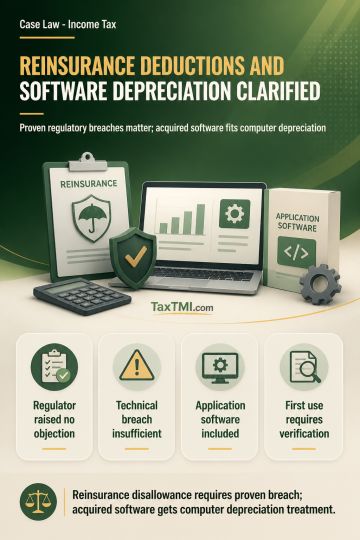
Reinsurance premium deductions require established regulatory breaches, while independently acquired software qualifies within the computer depreciati...
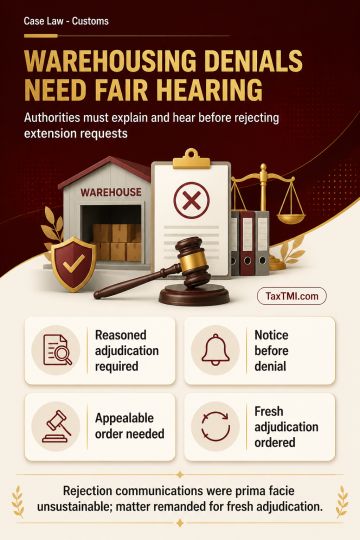
Extension or rejection of the warehousing period under the sufficient-cause standard is quasi-judicial, requiring a judicial approach and an opportunity of hearing. The notes state that a denial must follow adjudicatory proceedings and be communicated through an appealable, reasoned order. Communications that merely convey rejection without findings or justification do not satisfy principles of natural justice. The Supreme Court's COVID-19 limitation extension is also noted. On the stated facts, the rejection communications were considered prima facie unsustainable; the matter was remanded for fresh adjudication after disclosure of proposed reasons, opportunity to reply and personal hearing, while consequential proceedings remained in abeyance.
Extension or rejection of the warehousing period under the sufficient-cause standard is quasi-judicial, requiring a judicial approach and an opportunity of hearing. The notes state that a denial must follow adjudicatory proceedings and be communicated through an appealable, reasoned order. Communications that merely convey rejection without findings or justification do not satisfy principles of natural justice. The Supreme Court's COVID-19 limitation extension is also noted. On the stated facts, the rejection communications were considered prima facie unsustainable; the matter was remanded for fresh adjudication after disclosure of proposed reasons, opportunity to reply and personal hearing, while consequential proceedings remained in abeyance.
Note: It is a system-generated summary and is for quick reference only.
 TaxTMI
 of 4782







 Join Channel


 TaxTMI
