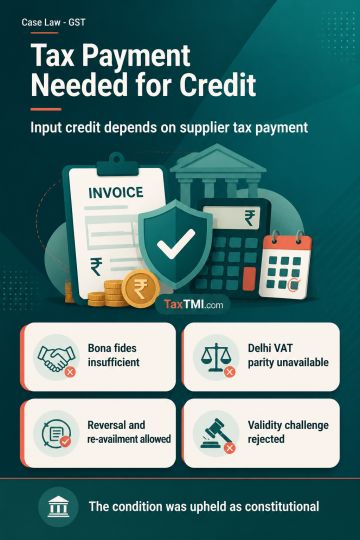
Input tax credit conditions remain constitutionally valid, with eligible recipient claims considered under GST circulars and retrospective filing dead...
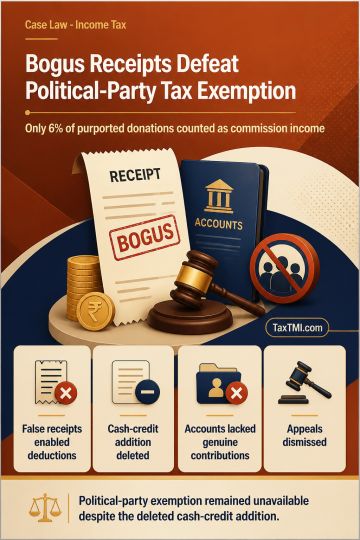
Bogus donation receipts justified commission income assessment and defeated political-party tax exemption for inaccurate accounts and reporting failur...
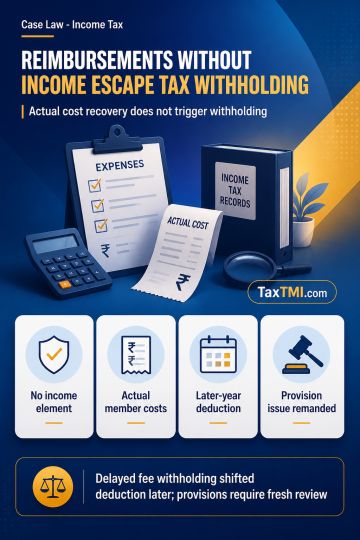
Pure reimbursement without income element escapes tax withholding, while delayed withholding and unsupported provisions face deferred or renewed scrut...
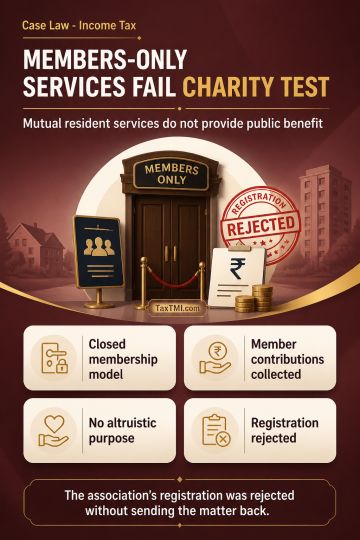
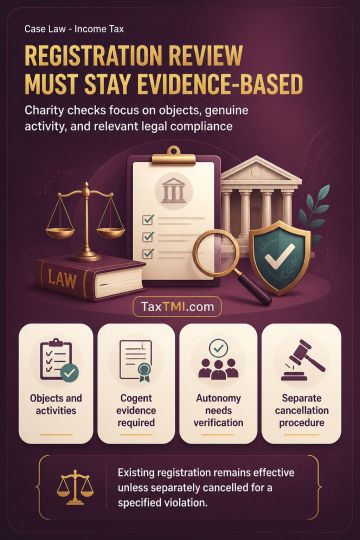
Public benefit requirement defeats charitable registration where residents' association services are reciprocal, member-only facilities governed by mu...
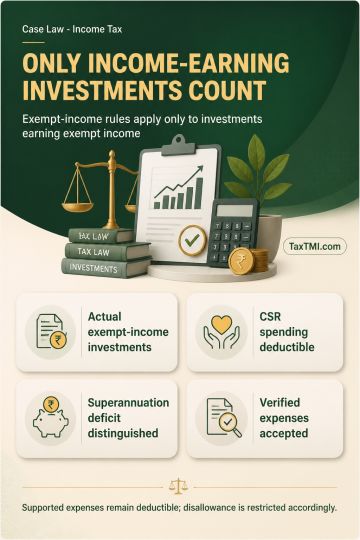
Exempt-income expenditure disallowance is confined to investments that actually generated exempt income, while supported business expenses remain dedu...
Section 39 permits personal recovery of a company's tax dues from a Director only after considering the availability of company assets, whether the person was a Director when the dues arose, and whether non-recovery resulted from negligence, misfeasance or breach of duty. The Director bears the statutory burden of establishing that non-recovery was not attributable to such conduct. Recovery from personal assets requires a hearing and a reasoned order on these matters, while recovery may first be pursued against company assets and subsequently against Directors under the statutory scheme.
Section 39 permits personal recovery of a company's tax dues from a Director only after considering the availability of company assets, whether the person was a Director when the dues arose, and whether non-recovery resulted from negligence, misfeasance or breach of duty. The Director bears the statutory burden of establishing that non-recovery was not attributable to such conduct. Recovery from personal assets requires a hearing and a reasoned order on these matters, while recovery may first be pursued against company assets and subsequently against Directors under the statutory scheme.
Note: It is a system-generated summary and is for quick reference only.
 TaxTMI
 of 4780






 Join Channel



 TaxTMI