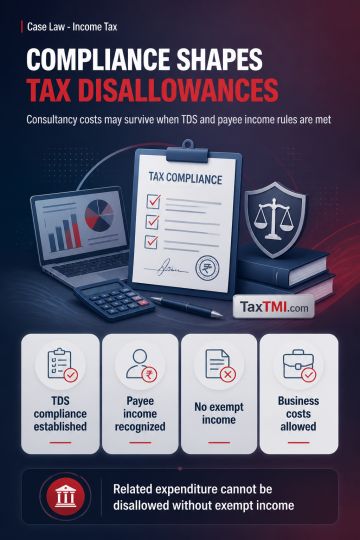
Tax deduction compliance and payee income recognition govern consultancy disallowance, while no exempt income prevents related expenditure disallowanc...
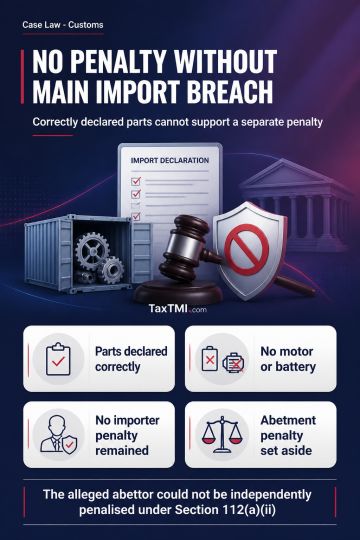
Derivative abetment liability fails when correctly declared imported components establish no underlying improper importation by the principal importer...
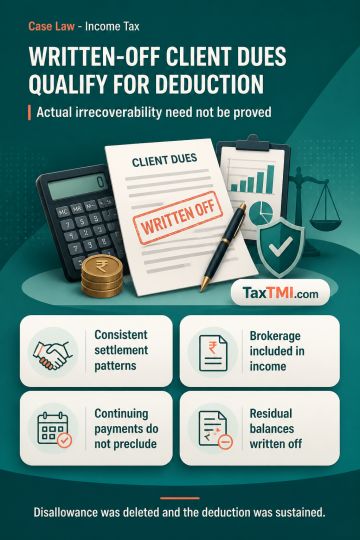
Bad-debt deduction for share-broking client dues may be claimed where outstanding client balances are treated as irrecoverable and written off in the accounts. Under amended section 36(1)(vii), actual irrecoverability need not be established. Continuing transactions or payments by clients do not preclude the claim where the broker follows a consistent settlement pattern under which clients pay agreed amounts and residual balances are written off. Client receivables qualify as debts when brokerage included in those receivables has been taken into account in computing income. The disallowance of the written-off client dues was deleted and the deduction sustained.
Bad-debt deduction for share-broking client dues may be claimed where outstanding client balances are treated as irrecoverable and written off in the accounts. Under amended section 36(1)(vii), actual irrecoverability need not be established. Continuing transactions or payments by clients do not preclude the claim where the broker follows a consistent settlement pattern under which clients pay agreed amounts and residual balances are written off. Client receivables qualify as debts when brokerage included in those receivables has been taken into account in computing income. The disallowance of the written-off client dues was deleted and the deduction sustained.
Note: It is a system-generated summary and is for quick reference only.
 TaxTMI
 of 4782














 Join Channel


 TaxTMI