Pre-existing operational debt disputes require genuine evidence, while undirected running-account payments may be appropriated on a first-in-first-out...
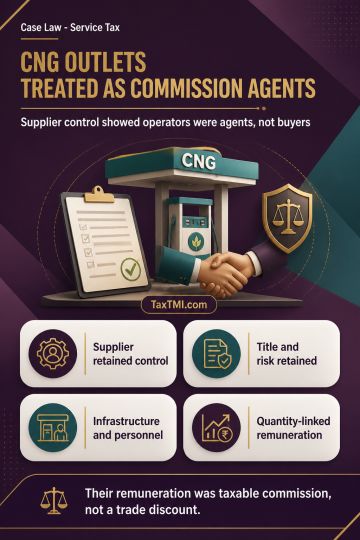
Agency in CNG distribution makes outlet operators commission agents, rendering taxable Business Auxiliary Service rather than purchasing goods for res...
Composite inpatient healthcare supply may retain exemption despite MRP medicine billing, while separate taxable sale characterisation remains disputed...
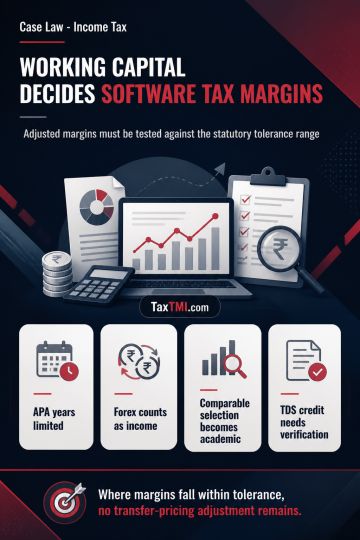
Working-capital adjustment determines whether software-services transfer-pricing margins fall within the statutory tolerance range, eliminating any ad...
Permanent establishment deductions upheld for expatriate salaries, direct costs and trading losses, while head-office costs require fresh classificati...
Page of 4782
Press 'Enter' after typing page number.
601 to 620 of 95636 Results
❮
❯
❯❯
0 / 200
Expand Note
Add to Folder
No Folders have been created
+
Are you sure you want to delete "My most important" ?
Abetment of attempted export requires proof that the alleged abettor intentionally aided the offence by an act or unlawful omission; merely introducing an intermediary or being unable to secure that person's appearance does not establish participation in a smuggling conspiracy. A Customs House Agent's regulatory duties include verifying client identity and prescribed documentation, but do not require employees to inspect goods inside containers already examined and sealed by customs authorities. Accordingly, an employee who only arranged containers in the ordinary course of business could not be held liable for misdeclared prohibited goods without material connecting him to the conspiracy.
Abetment of attempted export requires proof that the alleged abettor intentionally aided the offence by an act or unlawful omission; merely introducing an intermediary or being unable to secure that person's appearance does not establish participation in a smuggling conspiracy. A Customs House Agent's regulatory duties include verifying client identity and prescribed documentation, but do not require employees to inspect goods inside containers already examined and sealed by customs authorities. Accordingly, an employee who only arranged containers in the ordinary course of business could not be held liable for misdeclared prohibited goods without material connecting him to the conspiracy.
Note: It is a system-generated summary and is for quick reference only.
 TaxTMI
 of 4782












 Join Channel



 TaxTMI