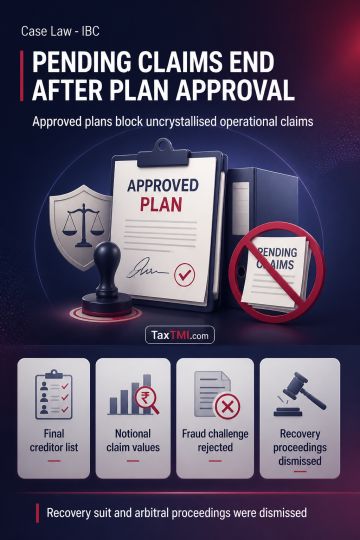
Clean slate principle extinguishes uncrystallised operational claims and bars continuation of pending recovery and arbitral proceedings after plan app...
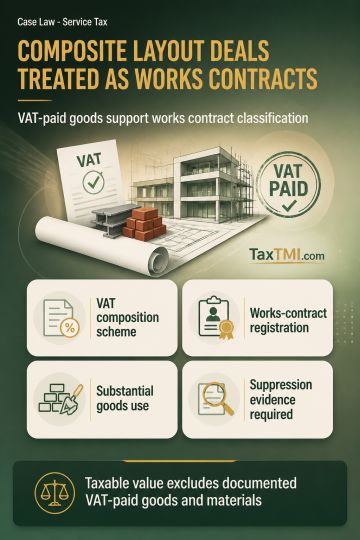
Works contract classification governs composite layout-development contracts where VAT-paid goods are transferred alongside construction and infrastru...
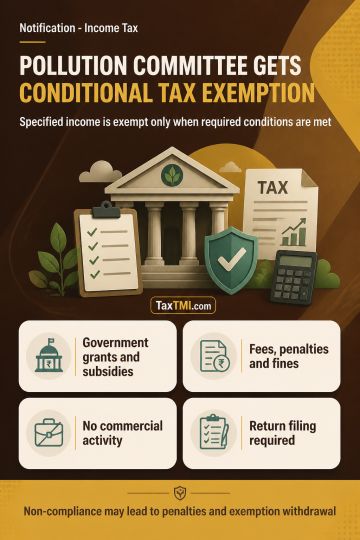
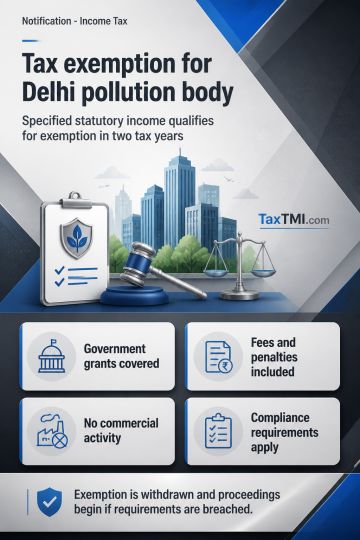
Specified income tax exemption for pollution control body remains conditional on non-commercial activity, unchanged income character, and return filin...
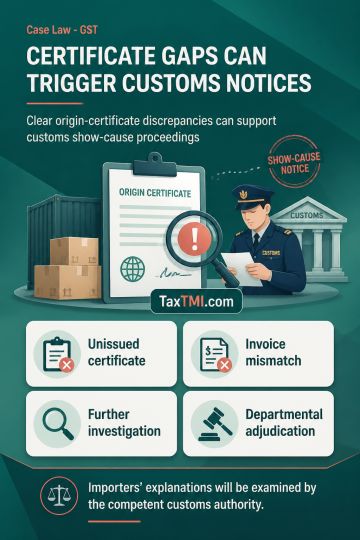
Jurisdictional facts in certificate-of-origin discrepancies can support customs show-cause proceedings, leaving factual explanations for departmental ...
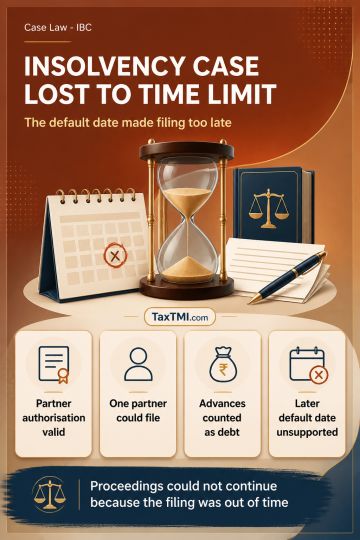
A Section 7 insolvency application was treated as time-barred because the record supported 31 March 2019 as the nearest ascertainable date of default, while a later date asserted by affidavit lacked evidentiary basis. The limitation period had therefore expired before the demand notice and filing, rendering the application not maintainable. The notes also state that a surviving-partner majority could authorise commencement of insolvency proceedings and that one partner could file in the firm's name. Advances recorded as repayable in balance sheets and ledgers constituted financial debt, even without a formal loan agreement or interest payment.
A Section 7 insolvency application was treated as time-barred because the record supported 31 March 2019 as the nearest ascertainable date of default, while a later date asserted by affidavit lacked evidentiary basis. The limitation period had therefore expired before the demand notice and filing, rendering the application not maintainable. The notes also state that a surviving-partner majority could authorise commencement of insolvency proceedings and that one partner could file in the firm's name. Advances recorded as repayable in balance sheets and ledgers constituted financial debt, even without a formal loan agreement or interest payment.
Note: It is a system-generated summary and is for quick reference only.
 TaxTMI
 of 4782




 Join Channel


 TaxTMI