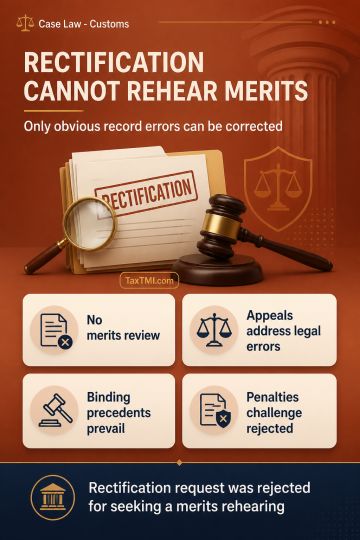
Rectification of mistake remains limited to self-evident record errors, preventing merits review through miscellaneous applications and preserving fin...
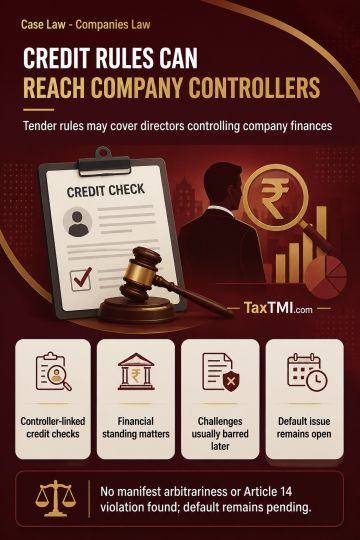
Tender creditworthiness conditions may extend to de facto Promoter Directors, with post-participation challenges generally barred absent arbitrariness...
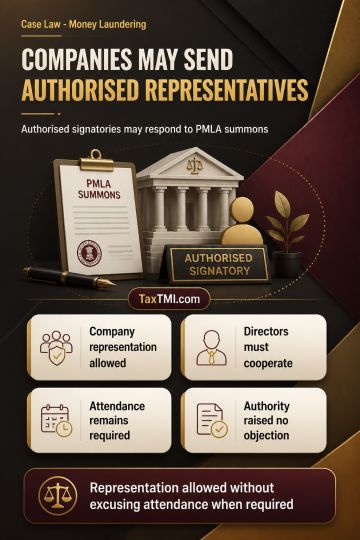
Corporate representation in PMLA summons proceedings permitted through an authorised signatory, subject to directors' continuing cooperation and atten...
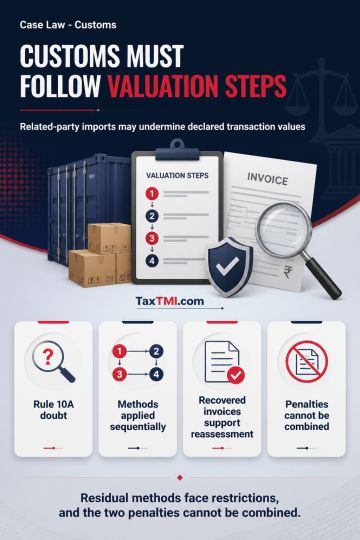
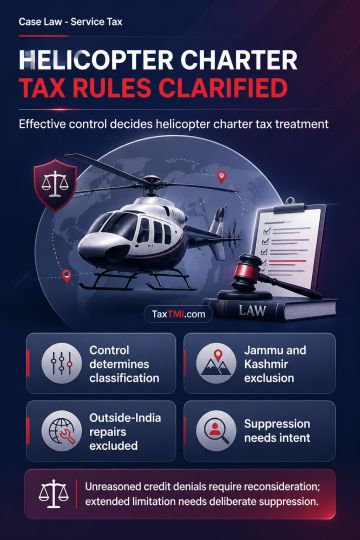
Helicopter charter classification requires effective control analysis, while territorial performance, reasoned credit orders and wilful suppression de...
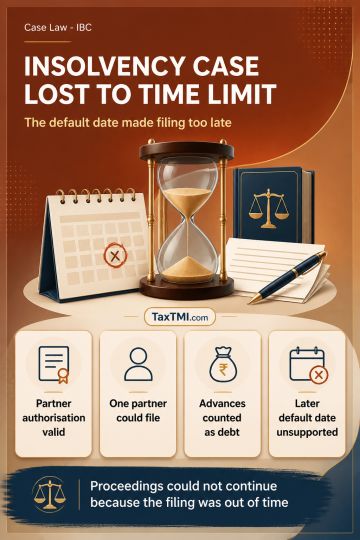
A Section 7 insolvency application was treated as time-barred because the record supported 31 March 2019 as the nearest ascertainable date of default, while a later date asserted by affidavit lacked evidentiary basis. The limitation period had therefore expired before the demand notice and filing, rendering the application not maintainable. The notes also state that a surviving-partner majority could authorise commencement of insolvency proceedings and that one partner could file in the firm's name. Advances recorded as repayable in balance sheets and ledgers constituted financial debt, even without a formal loan agreement or interest payment.
A Section 7 insolvency application was treated as time-barred because the record supported 31 March 2019 as the nearest ascertainable date of default, while a later date asserted by affidavit lacked evidentiary basis. The limitation period had therefore expired before the demand notice and filing, rendering the application not maintainable. The notes also state that a surviving-partner majority could authorise commencement of insolvency proceedings and that one partner could file in the firm's name. Advances recorded as repayable in balance sheets and ledgers constituted financial debt, even without a formal loan agreement or interest payment.
Note: It is a system-generated summary and is for quick reference only.
 TaxTMI
 of 4782



 Join Channel


 TaxTMI