Defined public benefit can retain charitable character; registration renewal requires examining genuine activities and legal compliance, not surplus a...
Capital reduction is distinct from share buy-back, preventing buy-back tax; restructuring interest and related business deductions also survive scruti...
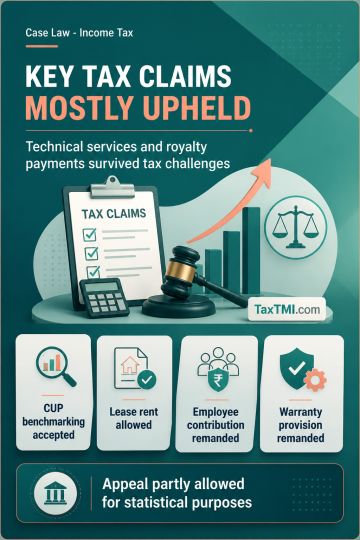
Transfer pricing and tax deductions upheld on established principles, while employee contributions and warranty provisions returned for fresh examinat...
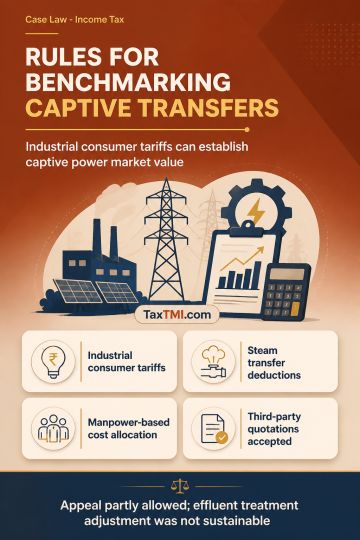
Captive transfer pricing relies on industrial consumer tariffs, while genuine quotations can benchmark effluent treatment transfers under the Other Me...
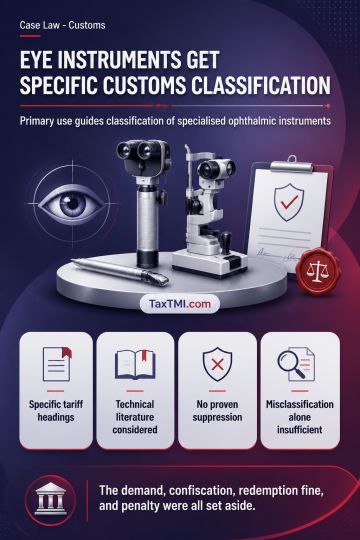
Specific tariff classification for ophthalmic instruments and extended limitation principles determine the treatment of duty demands, confiscation, an...
Integrated golf function determines classification, placing launch monitors and simulators under other golf equipment rather than measuring instrument...
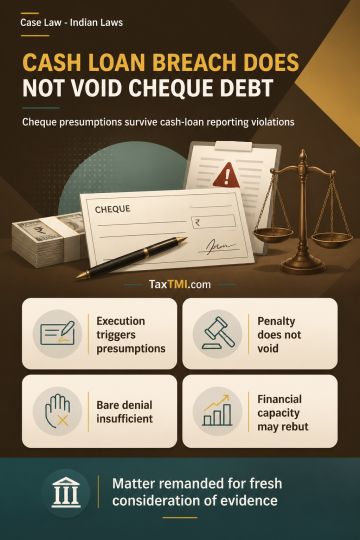
Admission of cheque execution triggers presumptions of consideration and legally enforceable debt under the cheque-dishonour framework. A cash loan exceeding the limit under section 269SS of the Income-tax Act may attract penalty under section 271D, but does not render the underlying transaction illegal, void or unenforceable; it does not itself rebut those presumptions. The presumption in favour of the cheque holder remains rebuttable, but a bare denial is insufficient. The accused must explain the cheque's issuance and possession, while credible evidence that the payee lacked financial capacity to lend may rebut the presumption. The matter was remanded for fresh consideration of the evidence.
Admission of cheque execution triggers presumptions of consideration and legally enforceable debt under the cheque-dishonour framework. A cash loan exceeding the limit under section 269SS of the Income-tax Act may attract penalty under section 271D, but does not render the underlying transaction illegal, void or unenforceable; it does not itself rebut those presumptions. The presumption in favour of the cheque holder remains rebuttable, but a bare denial is insufficient. The accused must explain the cheque's issuance and possession, while credible evidence that the payee lacked financial capacity to lend may rebut the presumption. The matter was remanded for fresh consideration of the evidence.
Note: It is a system-generated summary and is for quick reference only.
 TaxTMI
 of 4786
















 Join Channel


 TaxTMI
