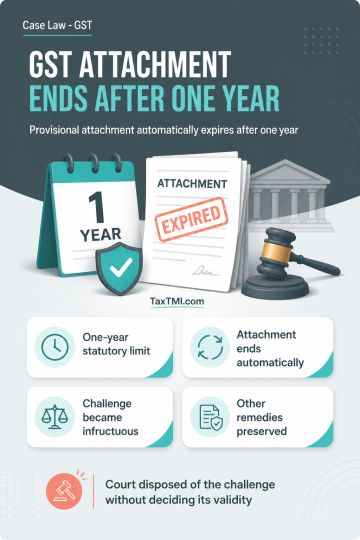
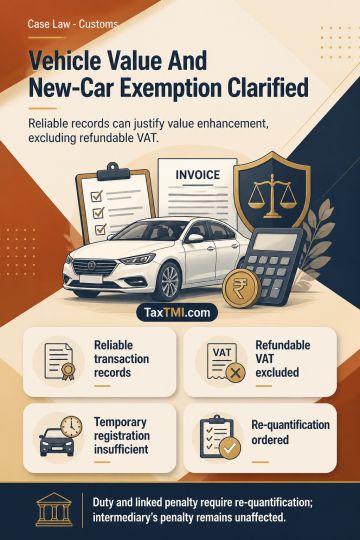
Transaction value rejection requires reliable corroboration; refundable VAT is excluded and temporary registration does not defeat new-vehicle exempti...
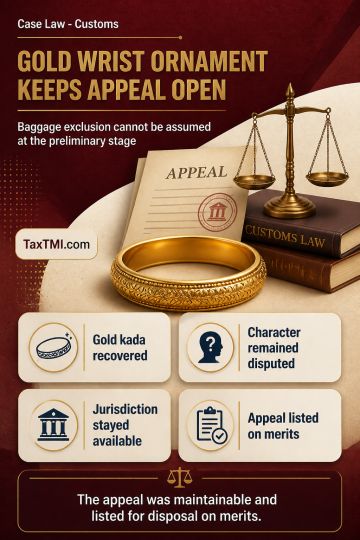
Appellate jurisdiction remains available where a wrist-worn gold ornament cannot conclusively be characterised as imported baggage at the preliminary ...
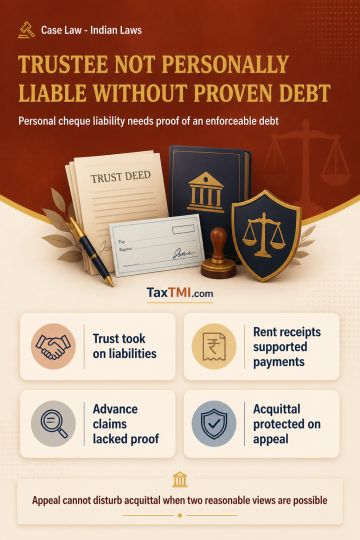
Written complaint requirement bars cognizance on police reports for securities offences, while unsupported breach of trust and cheating allegations fa...
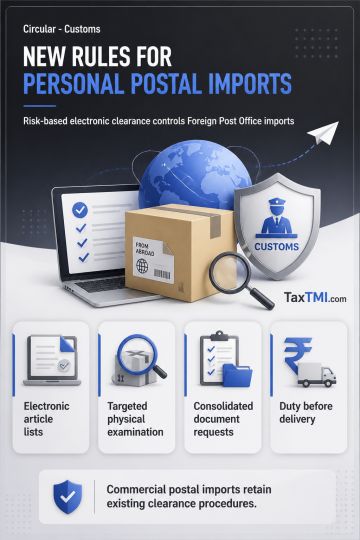
Risk-based postal import clearance standardises electronic assessment, document requests, duty realisation and delivery controls at Foreign Post Offic...
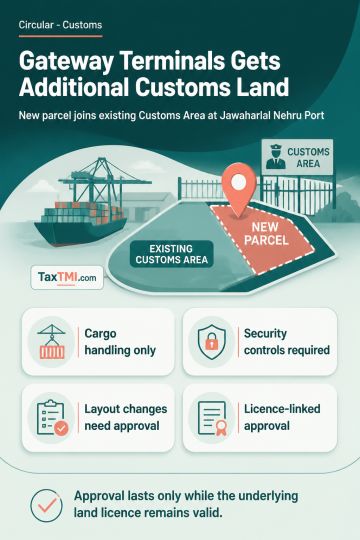
Customs Cargo Service Provider appointment extends custodianship to additional terminal land, subject to cargo-control, security and licence condition...
Advertisement, marketing and brand-promotion expenditure...
Business expenditure deductibility covers independent brand promotion and unreimbursed inventory price-drop margin losses where commercially genuine and verifiable.
Contents
Summary
Note
Bookmark
Share
✓ Copied successfully !
Print
Print Options
For full text, please login
Login to TaxTMI
Verification Pending
The Email Id has not been verified. Click on the link we have sent on
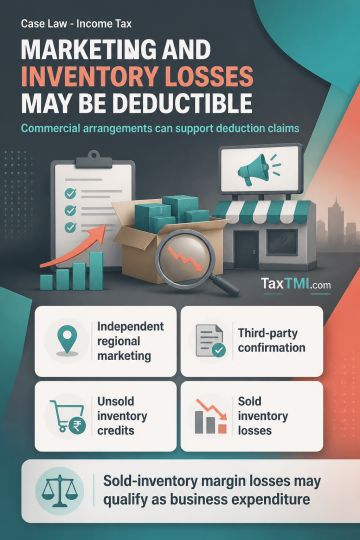
Advertisement, marketing and brand-promotion expenditure incurred by a super authorised mobile-phone distributor is discussed as deductible business expenditure where a lower purchase price reflects a commercial arrangement for independent regional marketing, rather than reimbursement by the brand owner. Third-party confirmation and the absence of evidence that expenditure was fictitious, inflated or unincurred support its business necessity. The notes also address price-drop credits to downstream dealers: brand-owner reimbursement is limited to unsold inventory and its invoice price, while the distributor's unreimbursed margin reversal on sold inventory may constitute a genuine, verifiable commercial loss deductible as business expenditure.
Advertisement, marketing and brand-promotion expenditure incurred by a super authorised mobile-phone distributor is discussed as deductible business expenditure where a lower purchase price reflects a commercial arrangement for independent regional marketing, rather than reimbursement by the brand owner. Third-party confirmation and the absence of evidence that expenditure was fictitious, inflated or unincurred support its business necessity. The notes also address price-drop credits to downstream dealers: brand-owner reimbursement is limited to unsold inventory and its invoice price, while the distributor's unreimbursed margin reversal on sold inventory may constitute a genuine, verifiable commercial loss deductible as business expenditure.
Note: It is a system-generated summary and is for quick reference only.
 TaxTMI
 of 4789







 Join Channel


 TaxTMI