Development agreements require legal possession or effective enjoyment for capital gains transfer; permissive possession and deferred consideration de...
Prolonged sterilisation of development rights supports capital-gains treatment, while business-income disallowances cannot govern capital-gains comput...
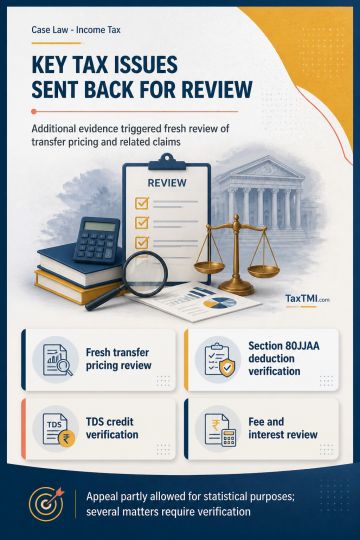
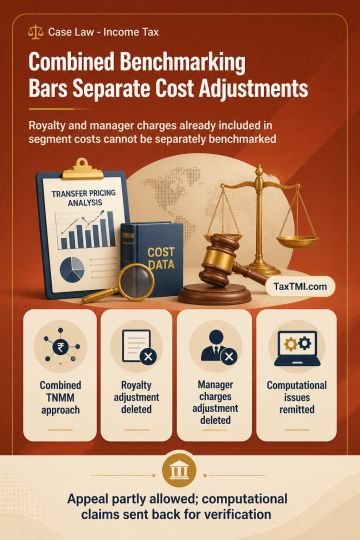
Additional evidence in transfer pricing dispute leads to fresh examination, while tax deductions, TDS credit, fee and refund interest require verifica...
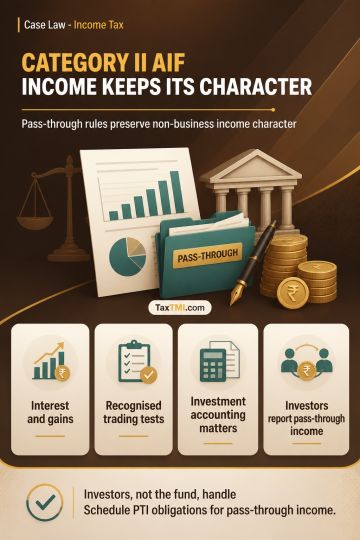
Category II AIF pass-through taxation preserves non-business income character; investment receipts cannot be reclassified without applying recognised ...
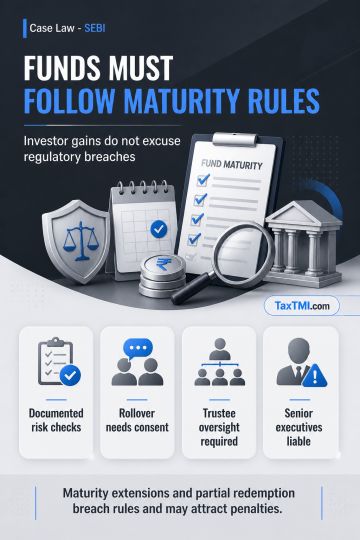
Mutual fund maturity rules require proper rollover, redemption, disclosure, and due diligence; investor gains cannot excuse regulatory breaches or pen...
Advertisement, marketing and brand-promotion expenditure...
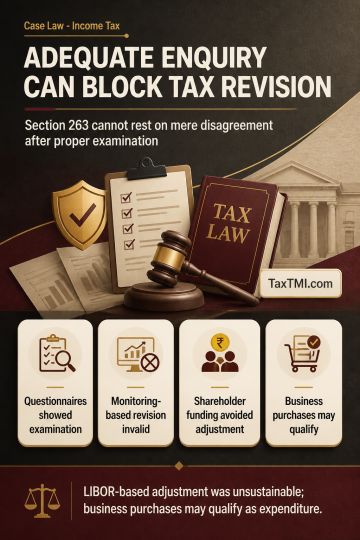
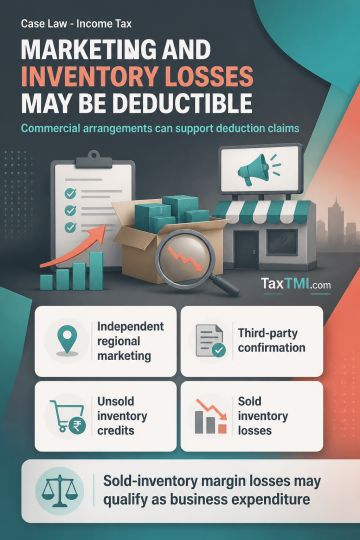
Business expenditure deductibility covers independent brand promotion and unreimbursed inventory price-drop margin losses where commercially genuine and verifiable.
Contents
Summary
Note
Bookmark
Share
✓ Copied successfully !
Print
Print Options
For full text, please login
Login to TaxTMI
Verification Pending
The Email Id has not been verified. Click on the link we have sent on
Advertisement, marketing and brand-promotion expenditure incurred by a super authorised mobile-phone distributor is discussed as deductible business expenditure where a lower purchase price reflects a commercial arrangement for independent regional marketing, rather than reimbursement by the brand owner. Third-party confirmation and the absence of evidence that expenditure was fictitious, inflated or unincurred support its business necessity. The notes also address price-drop credits to downstream dealers: brand-owner reimbursement is limited to unsold inventory and its invoice price, while the distributor's unreimbursed margin reversal on sold inventory may constitute a genuine, verifiable commercial loss deductible as business expenditure.
Advertisement, marketing and brand-promotion expenditure incurred by a super authorised mobile-phone distributor is discussed as deductible business expenditure where a lower purchase price reflects a commercial arrangement for independent regional marketing, rather than reimbursement by the brand owner. Third-party confirmation and the absence of evidence that expenditure was fictitious, inflated or unincurred support its business necessity. The notes also address price-drop credits to downstream dealers: brand-owner reimbursement is limited to unsold inventory and its invoice price, while the distributor's unreimbursed margin reversal on sold inventory may constitute a genuine, verifiable commercial loss deductible as business expenditure.
Note: It is a system-generated summary and is for quick reference only.
 TaxTMI
 of 4782







 Join Channel


 TaxTMI