Clean slate principle extinguishes uncrystallised operational claims and bars continuation of pending recovery and arbitral proceedings after plan app...
Works contract classification governs composite layout-development contracts where VAT-paid goods are transferred alongside construction and infrastru...
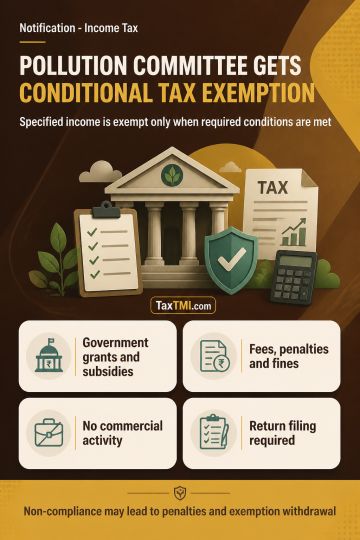
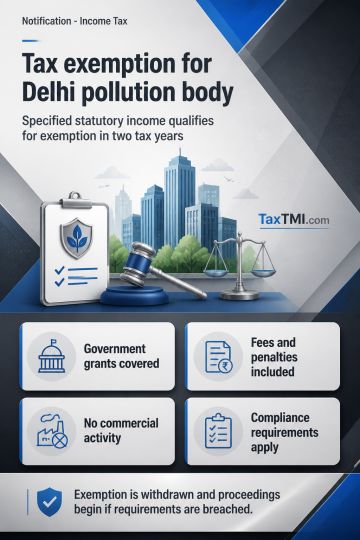
Specified income tax exemption for pollution control body remains conditional on non-commercial activity, unchanged income character, and return filin...
Jurisdictional facts in certificate-of-origin discrepancies can support customs show-cause proceedings, leaving factual explanations for departmental ...
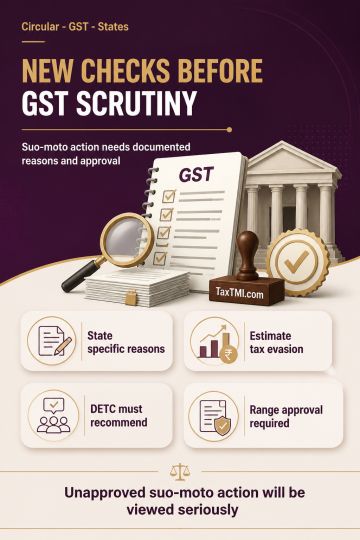
Proposals for suo-moto audit or scrutiny under the HGST Act, 2017 must state clear, specific and duly justified reasons, supported by available records, intelligence inputs, data analysis or another verifiable information source. Each proposal must also specify the tentative quantum of tax evasion. The concerned DETC must first examine and recommend the proposal, after which the case file must be sent to the Joint Excise and Taxation Commissioner (Range) for necessary approval. Field formations must comply strictly; suo-moto action initiated without this prescribed process will be viewed seriously.
Proposals for suo-moto audit or scrutiny under the HGST Act, 2017 must state clear, specific and duly justified reasons, supported by available records, intelligence inputs, data analysis or another verifiable information source. Each proposal must also specify the tentative quantum of tax evasion. The concerned DETC must first examine and recommend the proposal, after which the case file must be sent to the Joint Excise and Taxation Commissioner (Range) for necessary approval. Field formations must comply strictly; suo-moto action initiated without this prescribed process will be viewed seriously.
Note: It is a system-generated summary and is for quick reference only.
 TaxTMI
 of 4782













 Join Channel


 TaxTMI