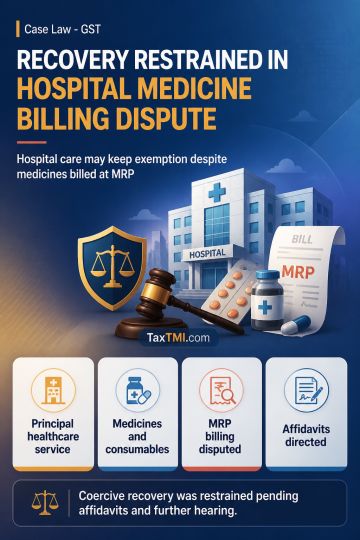
Composite inpatient healthcare supply may retain exemption despite MRP medicine billing, while separate taxable sale characterisation remains disputed...
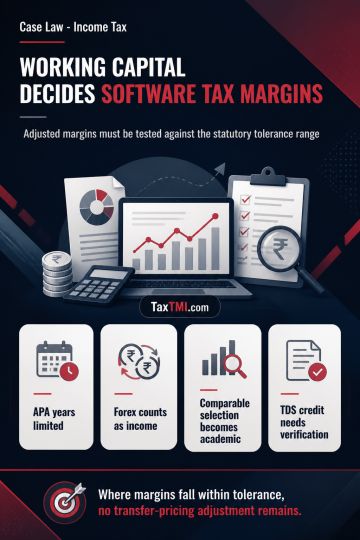
Working-capital adjustment determines whether software-services transfer-pricing margins fall within the statutory tolerance range, eliminating any ad...
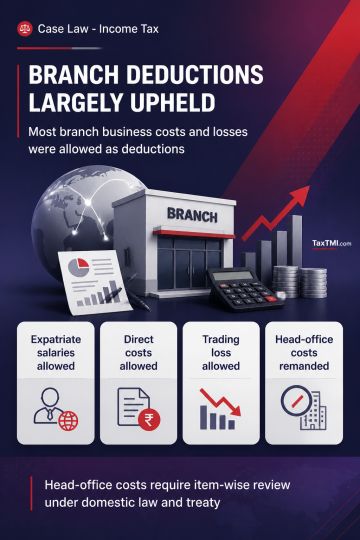
Permanent establishment deductions upheld for expatriate salaries, direct costs and trading losses, while head-office costs require fresh classificati...
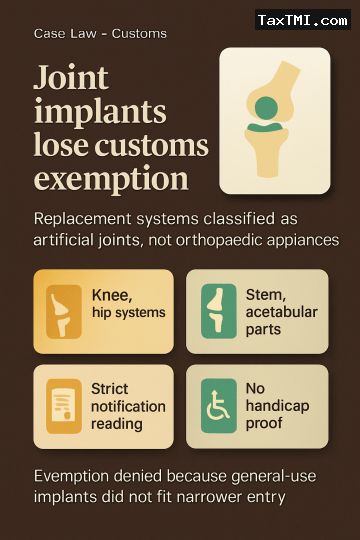
Complete knee, hip and shoulder replacement systems were classified as artificial joints, while separately imported stem and acetabular components were classified as other artificial parts of the body. The claim that they were orthopaedic appliances failed because Heading 9021 and the HSN distinguish support devices from replacement prostheses. Exemption under Sr. No. 385 of Notification No. 45/2025-Cus was denied: Entry B(1) applies only to orthopaedic appliances, and Entry E(9) requires implants for severely physically handicapped patients. The applicant did not show that these general-use implants met that narrower description, so strict construction of the exemption defeated the claim.
Complete knee, hip and shoulder replacement systems were classified as artificial joints, while separately imported stem and acetabular components were classified as other artificial parts of the body. The claim that they were orthopaedic appliances failed because Heading 9021 and the HSN distinguish support devices from replacement prostheses. Exemption under Sr. No. 385 of Notification No. 45/2025-Cus was denied: Entry B(1) applies only to orthopaedic appliances, and Entry E(9) requires implants for severely physically handicapped patients. The applicant did not show that these general-use implants met that narrower description, so strict construction of the exemption defeated the claim.
Note: It is a system-generated summary and is for quick reference only.
 TaxTMI
 of 4790








 Join Channel


 TaxTMI
