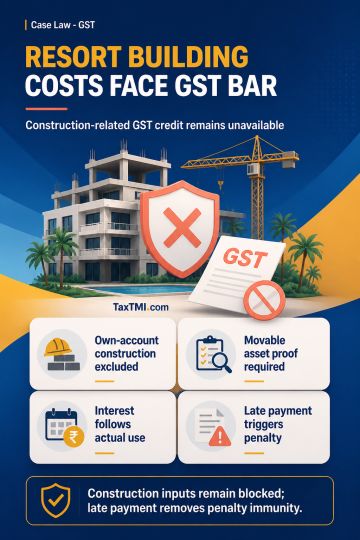
Blocked input tax credit for resort construction remains unavailable; interest follows actual utilisation, while delayed payment attracts statutory pe...
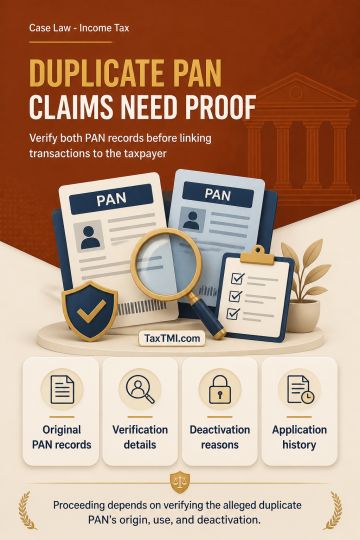
Duplicate PAN allocation requires record verification and deactivation reasons before assessment-related transactions can be attributed to an assessee...
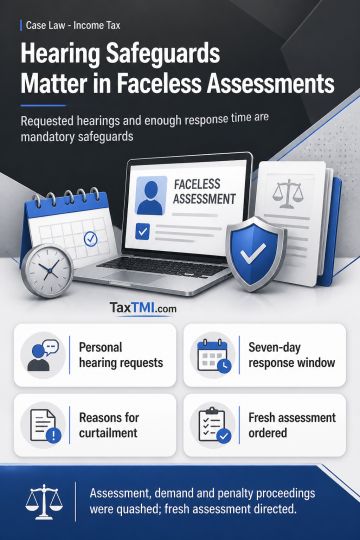
Faceless assessment safeguards require requested personal hearings and adequate final show-cause response time, failing which reassessment is required...
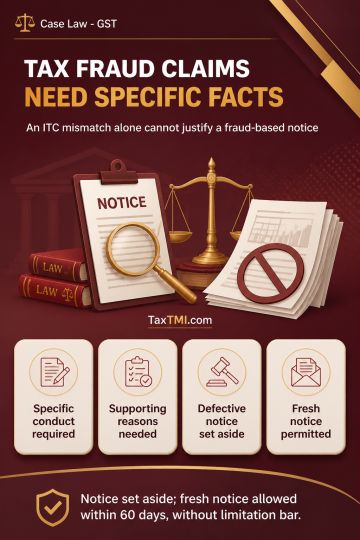
In GST proceedings, invocation of the extended period under Section 74 depends on jurisdictional or foundational facts and a prima facie view, based on available material, that non-payment, short payment, wrongful input tax credit, fraud, wilful misstatement or suppression exists. The notice should ordinarily disclose the basis for alleging the mental element, but prior communication of those grounds through scrutiny, audit, inspection or pre-notice intimation can satisfy the requirement, so a detailed notice is not invalid merely because it repeats earlier allegations. Notices were upheld where the basis had already been disclosed, while an inadequately particularised order was remitted for fresh consideration under Section 73, with possible recourse to Section 74 if information remained unprovided.
In GST proceedings, invocation of the extended period under Section 74 depends on jurisdictional or foundational facts and a prima facie view, based on available material, that non-payment, short payment, wrongful input tax credit, fraud, wilful misstatement or suppression exists. The notice should ordinarily disclose the basis for alleging the mental element, but prior communication of those grounds through scrutiny, audit, inspection or pre-notice intimation can satisfy the requirement, so a detailed notice is not invalid merely because it repeats earlier allegations. Notices were upheld where the basis had already been disclosed, while an inadequately particularised order was remitted for fresh consideration under Section 73, with possible recourse to Section 74 if information remained unprovided.
Note: It is a system-generated summary and is for quick reference only.
 TaxTMI
  TaxTMI