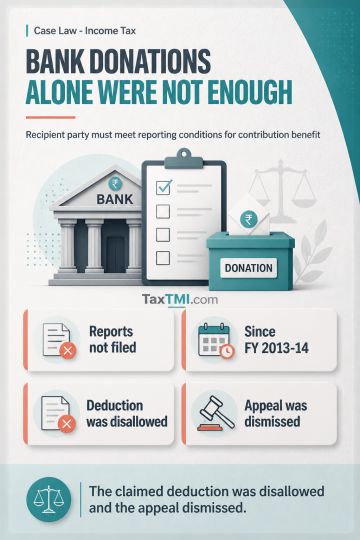
Political contribution deductions require recipient party compliance with contribution-reporting conditions; banking-channel donations alone do not qu...
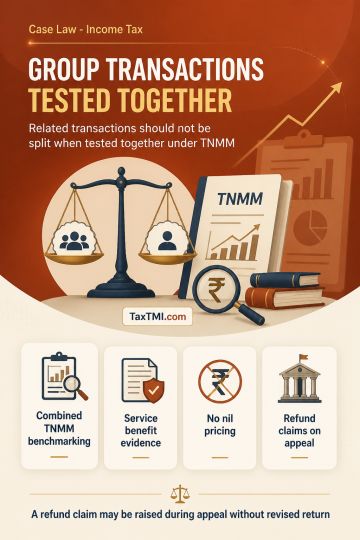
Aggregation under TNMM prevents selective testing of intra-group services without comparable uncontrolled transactions, while appellate additional cla...
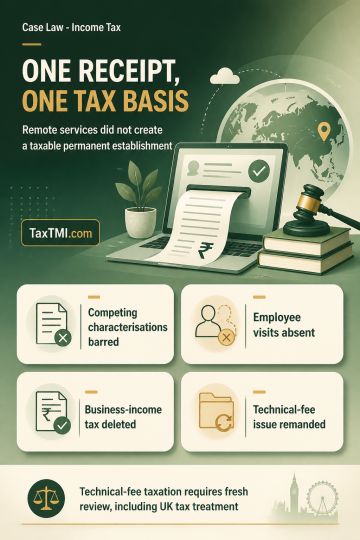
Protective assessment cannot duplicate identical receipts under competing characterisations; remote services did not establish a taxable permanent est...
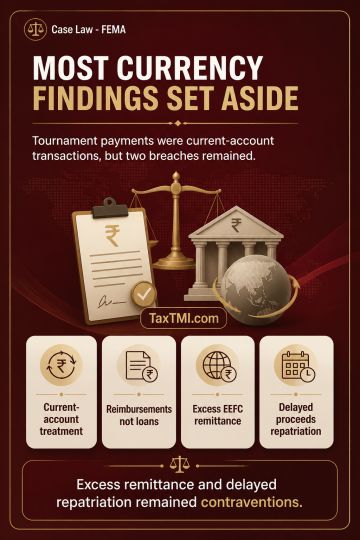
Current account treatment of overseas tournament services removed most FEMA findings, but excess EEFC remittance and delayed repatriation remained bre...
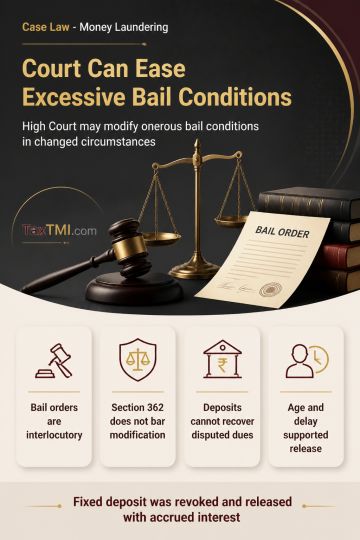
Modification of bail conditions remains available through inherent jurisdiction where onerous deposits undermine justice and cannot recover disputed d...
Merchant banker regulation consolidates registration, governance, capital, reporting, outsourcing and investor-protection requirements under an update...
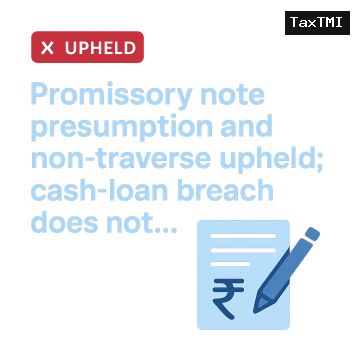
In a suit on a promissory note, the HC noted that untraversed pleadings and the absence of cross-examination meant the plaintiff's case on advance and execution stood admitted, and an adverse finding on lending capacity was perverse where the defendant filed no written statement and the court did not clarify its own doubts by questioning the witness. It further held that a promissory note need not be attested, non-examination of an attestor was not fatal, and breach of the cash-loan prohibition under section 269SS may attract tax consequences but does not make the debt void or unenforceable. The plaintiff's claim was therefore upheld.
In a suit on a promissory note, the HC noted that untraversed pleadings and the absence of cross-examination meant the plaintiff's case on advance and execution stood admitted, and an adverse finding on lending capacity was perverse where the defendant filed no written statement and the court did not clarify its own doubts by questioning the witness. It further held that a promissory note need not be attested, non-examination of an attestor was not fatal, and breach of the cash-loan prohibition under section 269SS may attract tax consequences but does not make the debt void or unenforceable. The plaintiff's claim was therefore upheld.
Note: It is a system-generated summary and is for quick reference only.
 TaxTMI
 of 4782










 Join Channel


 TaxTMI