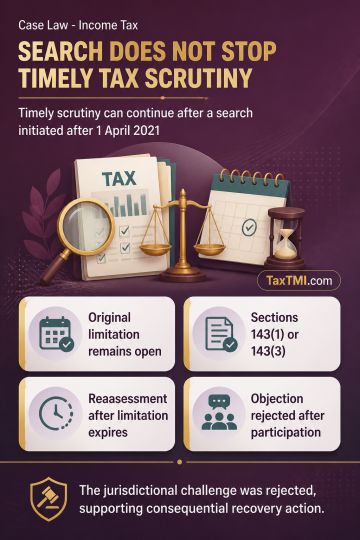
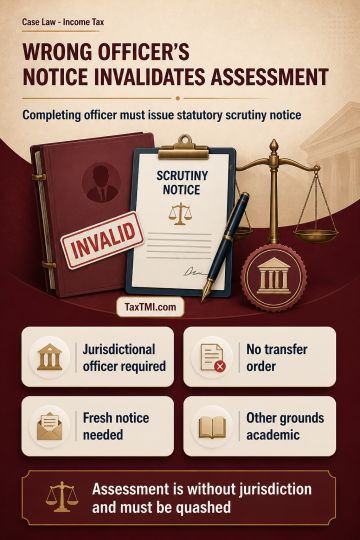
Post-search scrutiny assessment remains available where original assessment limitation is unexpired, permitting timely completion under regular assess...
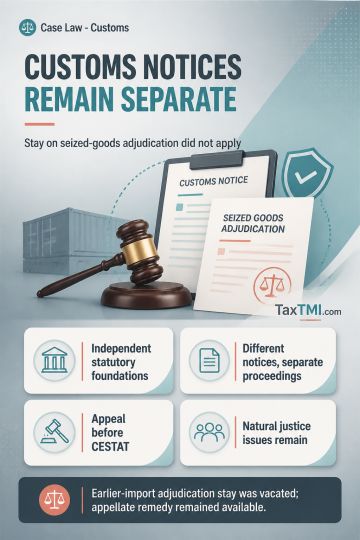
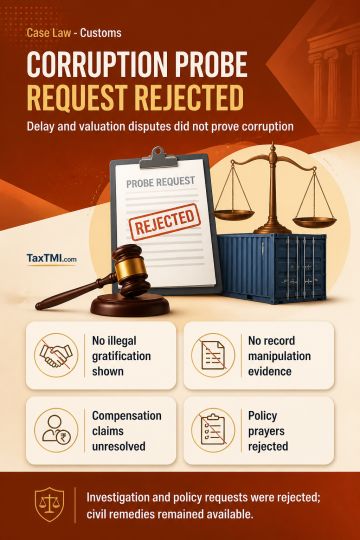
Independent show-cause notices remain separate proceedings, while customs adjudication challenges should ordinarily follow the statutory appellate rem...
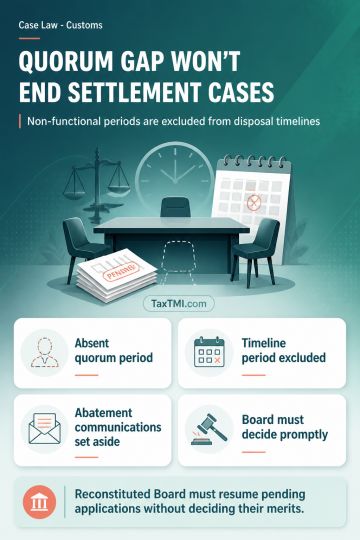
Institutional incapacity in customs settlement proceedings excludes non-functional quorum periods from statutory disposal timelines, preventing automa...
Revenue-sharing under a participative railway infrastructure arrangement was treated as a joint venture-like model, not as business support service, because freight collections were shared as a return on capital investment with profit and not as consideration for any identified service. The text notes that there was no service provider-recipient relationship or direct quid pro quo, so the demand on that footing was not sustainable. It also records that a bona fide belief, supported by prior Tribunal rulings on similar arrangements, defeated suppression, making the extended limitation period unavailable.
Revenue-sharing under a participative railway infrastructure arrangement was treated as a joint venture-like model, not as business support service, because freight collections were shared as a return on capital investment with profit and not as consideration for any identified service. The text notes that there was no service provider-recipient relationship or direct quid pro quo, so the demand on that footing was not sustainable. It also records that a bona fide belief, supported by prior Tribunal rulings on similar arrangements, defeated suppression, making the extended limitation period unavailable.
Note: It is a system-generated summary and is for quick reference only.
 TaxTMI
 of 4803











 Join Channel


 TaxTMI