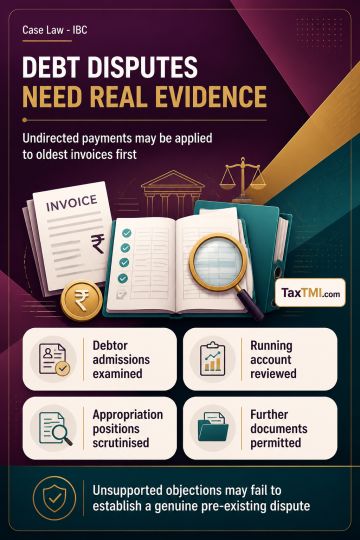
Pre-existing operational debt disputes require genuine evidence, while undirected running-account payments may be appropriated on a first-in-first-out...
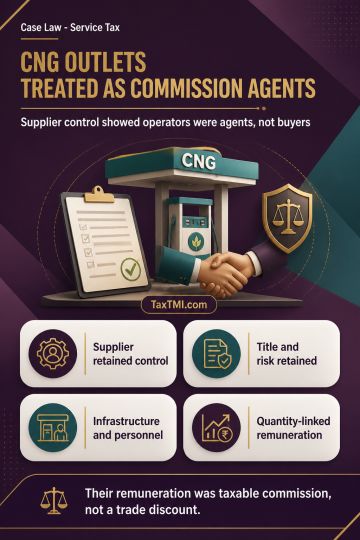
Agency in CNG distribution makes outlet operators commission agents, rendering taxable Business Auxiliary Service rather than purchasing goods for res...
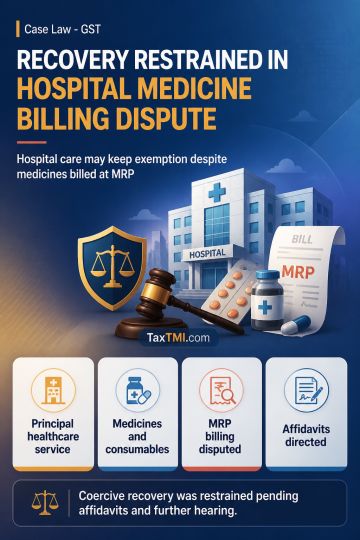
Composite inpatient healthcare supply may retain exemption despite MRP medicine billing, while separate taxable sale characterisation remains disputed...
Statutory presumptions under Sections 118 and 139 of the N.I. Act arose once the cheque and signature were proved, and the accused's bare plea of non-issuance, unsupported by expert evidence, witnesses, or credible material, failed to rebut the presumption of a legally enforceable debt on the preponderance of probabilities. The bank return memo also carried the statutory presumption of correctness under Section 146, so the objection that no bank official was examined was rejected. The High Court further held that revisional interference with concurrent findings is confined to patent illegality, perversity, or miscarriage of justice; finding none, it upheld the conviction and dismissed the revision.
Statutory presumptions under Sections 118 and 139 of the N.I. Act arose once the cheque and signature were proved, and the accused's bare plea of non-issuance, unsupported by expert evidence, witnesses, or credible material, failed to rebut the presumption of a legally enforceable debt on the preponderance of probabilities. The bank return memo also carried the statutory presumption of correctness under Section 146, so the objection that no bank official was examined was rejected. The High Court further held that revisional interference with concurrent findings is confined to patent illegality, perversity, or miscarriage of justice; finding none, it upheld the conviction and dismissed the revision.
Note: It is a system-generated summary and is for quick reference only.
 TaxTMI
 of 4800







 Join Channel


 TaxTMI
