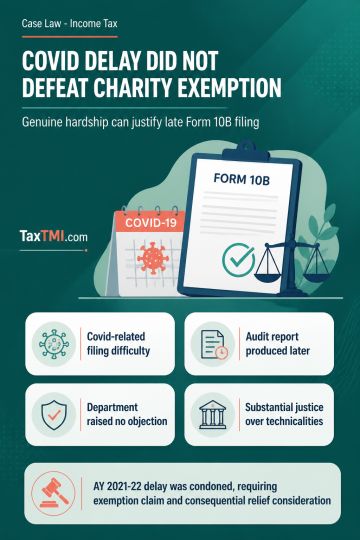
Belated Form 10B filing during Covid-19 cannot defeat charitable exemption where genuine hardship warrants condonation and substantial justice prevail...
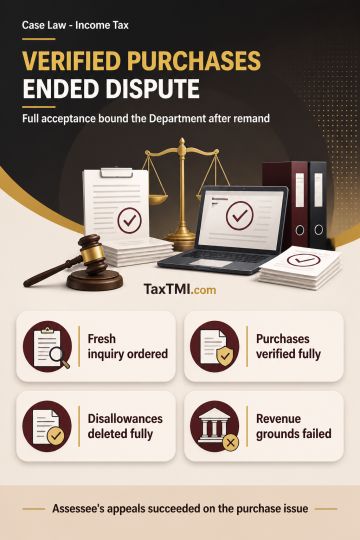
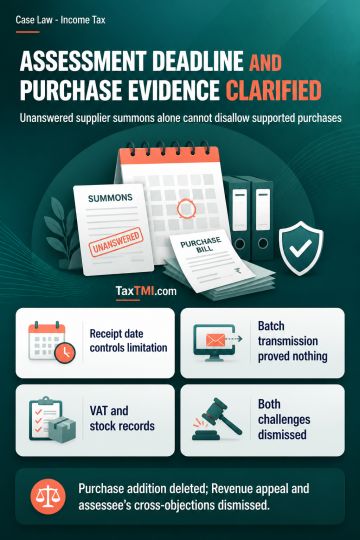
Limitation for consequential assessments runs from prescribed authority receipt, while verified purchases cannot be disallowed merely for unanswered s...
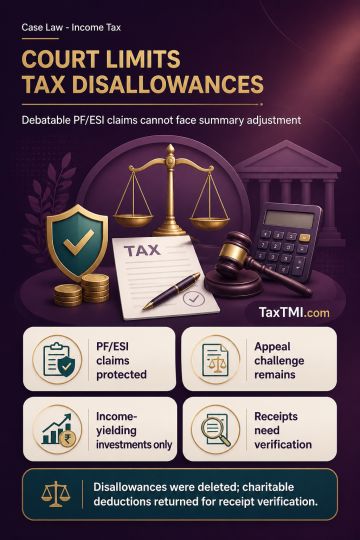
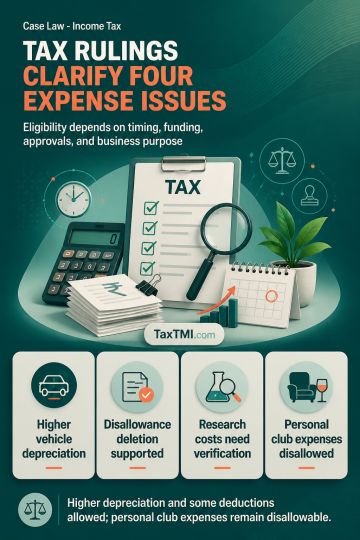
Higher depreciation for qualifying commercial vehicles, exempt-income disallowance, research deduction verification, and club-expense treatment clarif...
Charitable registration renewal cannot become an assessment of receipts, profitability or annual exemption compliance, requiring renewal and donation ...
Page of 4805
Press 'Enter' after typing page number.
61 to 80 of 96100 Results
❮
❯
❯❯
0 / 200
Expand Note
Add to Folder
No Folders have been created
+
Are you sure you want to delete "My most important" ?
Statutory presumptions under Sections 118 and 139 of the N.I. Act arose once the cheque and signature were proved, and the accused's bare plea of non-issuance, unsupported by expert evidence, witnesses, or credible material, failed to rebut the presumption of a legally enforceable debt on the preponderance of probabilities. The bank return memo also carried the statutory presumption of correctness under Section 146, so the objection that no bank official was examined was rejected. The High Court further held that revisional interference with concurrent findings is confined to patent illegality, perversity, or miscarriage of justice; finding none, it upheld the conviction and dismissed the revision.
Statutory presumptions under Sections 118 and 139 of the N.I. Act arose once the cheque and signature were proved, and the accused's bare plea of non-issuance, unsupported by expert evidence, witnesses, or credible material, failed to rebut the presumption of a legally enforceable debt on the preponderance of probabilities. The bank return memo also carried the statutory presumption of correctness under Section 146, so the objection that no bank official was examined was rejected. The High Court further held that revisional interference with concurrent findings is confined to patent illegality, perversity, or miscarriage of justice; finding none, it upheld the conviction and dismissed the revision.
Note: It is a system-generated summary and is for quick reference only.
 TaxTMI
 of 4805









 Join Channel


 TaxTMI