Transaction value rejection requires reliable corroboration; refundable VAT is excluded and temporary registration does not defeat new-vehicle exempti...
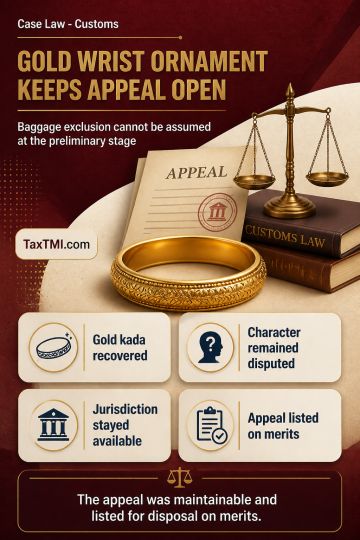
Appellate jurisdiction remains available where a wrist-worn gold ornament cannot conclusively be characterised as imported baggage at the preliminary ...
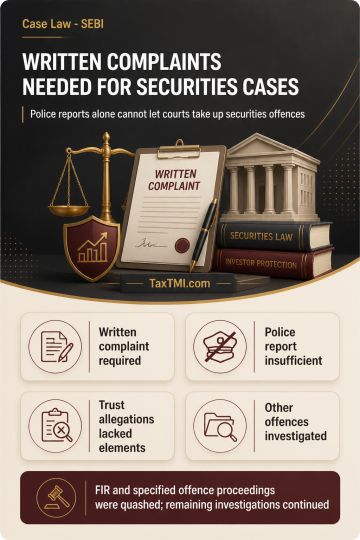
Written complaint requirement bars cognizance on police reports for securities offences, while unsupported breach of trust and cheating allegations fa...
Risk-based postal import clearance standardises electronic assessment, document requests, duty realisation and delivery controls at Foreign Post Offic...
Customs Cargo Service Provider appointment extends custodianship to additional terminal land, subject to cargo-control, security and licence condition...
Statutory presumptions under Sections 118 and 139 of the N.I. Act arose once the cheque and signature were proved, and the accused's bare plea of non-issuance, unsupported by expert evidence, witnesses, or credible material, failed to rebut the presumption of a legally enforceable debt on the preponderance of probabilities. The bank return memo also carried the statutory presumption of correctness under Section 146, so the objection that no bank official was examined was rejected. The High Court further held that revisional interference with concurrent findings is confined to patent illegality, perversity, or miscarriage of justice; finding none, it upheld the conviction and dismissed the revision.
Statutory presumptions under Sections 118 and 139 of the N.I. Act arose once the cheque and signature were proved, and the accused's bare plea of non-issuance, unsupported by expert evidence, witnesses, or credible material, failed to rebut the presumption of a legally enforceable debt on the preponderance of probabilities. The bank return memo also carried the statutory presumption of correctness under Section 146, so the objection that no bank official was examined was rejected. The High Court further held that revisional interference with concurrent findings is confined to patent illegality, perversity, or miscarriage of justice; finding none, it upheld the conviction and dismissed the revision.
Note: It is a system-generated summary and is for quick reference only.
 TaxTMI
 of 4805









 Join Channel


 TaxTMI