Donor-directed corpus contributions retain capital character despite exemption claims under section 10(23C)(vi), preventing their treatment as taxable...
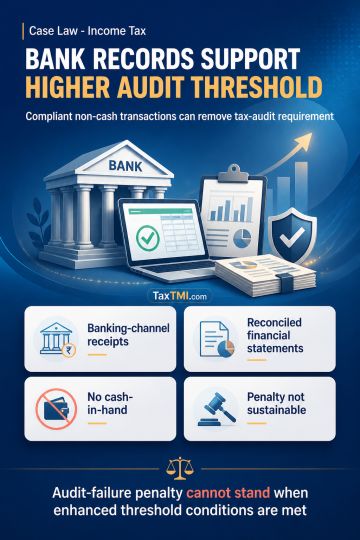
Enhanced tax-audit threshold applies where banking records establish compliant non-cash receipts and payments, eliminating penalty exposure for audit ...
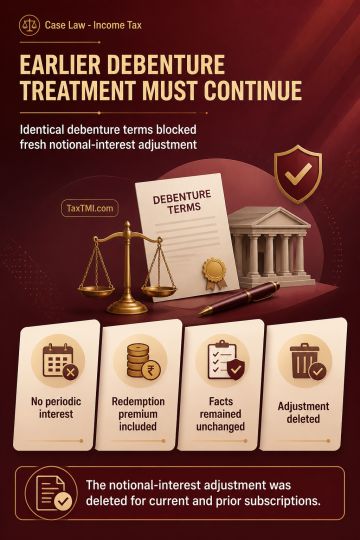
Transfer pricing consistency protects identical non-interest-bearing debenture terms from a later notional-interest adjustment without valid statutory...
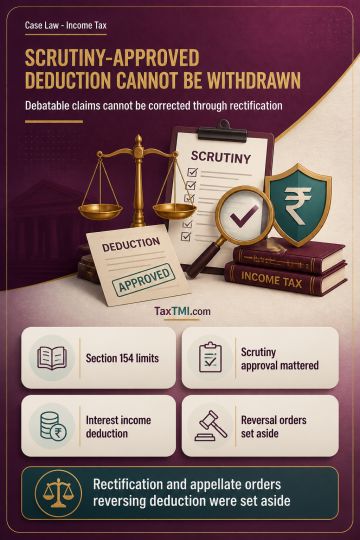
Rectification of debatable deduction claims cannot reverse scrutiny-approved co-operative society interest income deductions as apparent record errors...
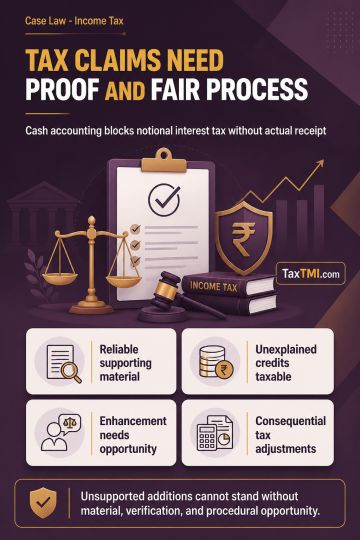
Cash-method accounting bars presumptive interest taxation, while unsupported securities and share-trading additions require reliable material and veri...
Liquidation process regulations were extensively amended to strengthen committee of creditors control, tighten timelines, and standardise filings. The liquidator must now obtain committee approval for key actions including professional appointments, fees, valuation, claims-related matters, sale terms, private sale, compromise filings, extension requests, and early dissolution, while the committee continues through liquidation subject to revised membership and voting rules. Claims verification, stakeholder updates, and distribution timelines were shortened; form-based filings were replaced by Board-notified formats; and obsolete provisions on consultation committees and certain schedules were removed. The amendments also restrict sales to ineligible resolution applicants and related parties, and require a model liquidation timeline.
Liquidation process regulations were extensively amended to strengthen committee of creditors control, tighten timelines, and standardise filings. The liquidator must now obtain committee approval for key actions including professional appointments, fees, valuation, claims-related matters, sale terms, private sale, compromise filings, extension requests, and early dissolution, while the committee continues through liquidation subject to revised membership and voting rules. Claims verification, stakeholder updates, and distribution timelines were shortened; form-based filings were replaced by Board-notified formats; and obsolete provisions on consultation committees and certain schedules were removed. The amendments also restrict sales to ineligible resolution applicants and related parties, and require a model liquidation timeline.
Note: It is a system-generated summary and is for quick reference only.
 TaxTMI
  TaxTMI
 of 4809










 Join Channel