Specified regulatory authority income receives conditional tax exemption, subject to non-commercial activity, unchanged income character, and return f...
Tax exemption for regulatory authority income applies retrospectively, subject to non-commercial activity, unchanged income sources, and return-filing...
Input tax credit conditions remain constitutionally valid, with eligible recipient claims considered under GST circulars and retrospective filing dead...
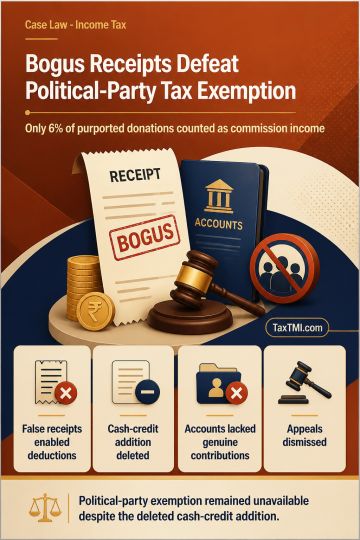
Bogus donation receipts justified commission income assessment and defeated political-party tax exemption for inaccurate accounts and reporting failur...
Pure reimbursement without income element escapes tax withholding, while delayed withholding and unsupported provisions face deferred or renewed scrut...
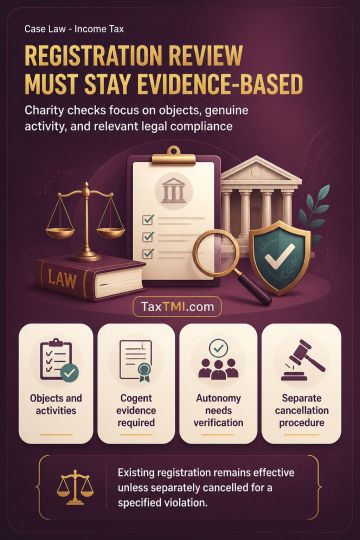
Public benefit requirement defeats charitable registration where residents' association services are reciprocal, member-only facilities governed by mu...
Liquidation process regulations were extensively amended to strengthen committee of creditors control, tighten timelines, and standardise filings. The liquidator must now obtain committee approval for key actions including professional appointments, fees, valuation, claims-related matters, sale terms, private sale, compromise filings, extension requests, and early dissolution, while the committee continues through liquidation subject to revised membership and voting rules. Claims verification, stakeholder updates, and distribution timelines were shortened; form-based filings were replaced by Board-notified formats; and obsolete provisions on consultation committees and certain schedules were removed. The amendments also restrict sales to ineligible resolution applicants and related parties, and require a model liquidation timeline.
Liquidation process regulations were extensively amended to strengthen committee of creditors control, tighten timelines, and standardise filings. The liquidator must now obtain committee approval for key actions including professional appointments, fees, valuation, claims-related matters, sale terms, private sale, compromise filings, extension requests, and early dissolution, while the committee continues through liquidation subject to revised membership and voting rules. Claims verification, stakeholder updates, and distribution timelines were shortened; form-based filings were replaced by Board-notified formats; and obsolete provisions on consultation committees and certain schedules were removed. The amendments also restrict sales to ineligible resolution applicants and related parties, and require a model liquidation timeline.
Note: It is a system-generated summary and is for quick reference only.
 TaxTMI
 of 4805

















 Join Channel


 TaxTMI