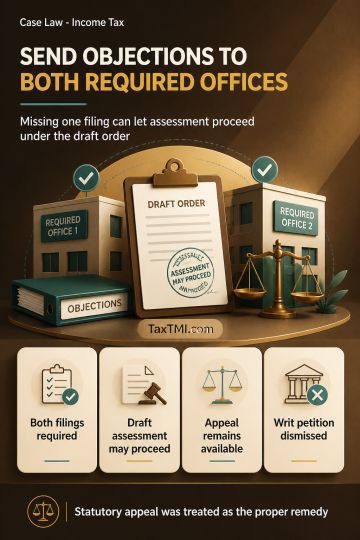
Dispute Resolution Panel objections must reach both prescribed forums; otherwise assessment may proceed and statutory appeal remains the proper remedy...
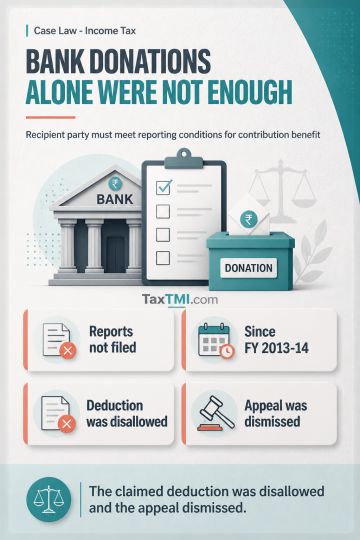
Political contribution deductions require recipient party compliance with contribution-reporting conditions; banking-channel donations alone do not qu...
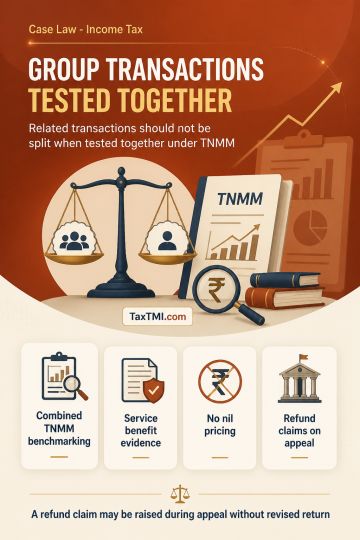
Aggregation under TNMM prevents selective testing of intra-group services without comparable uncontrolled transactions, while appellate additional cla...
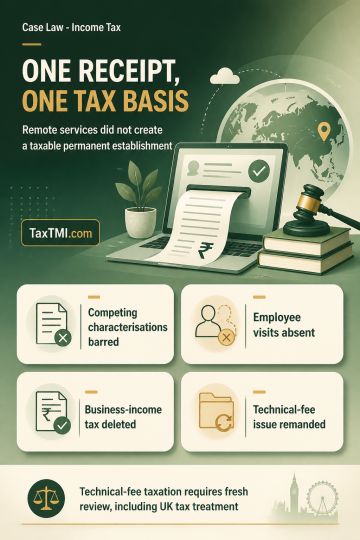
Protective assessment cannot duplicate identical receipts under competing characterisations; remote services did not establish a taxable permanent est...
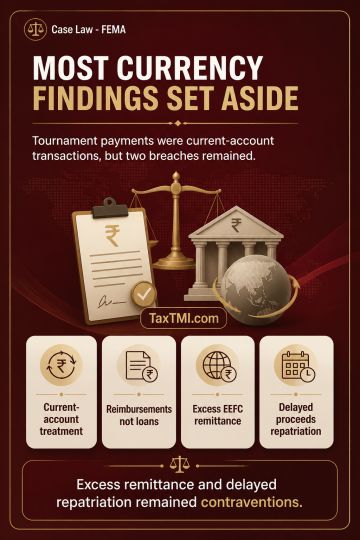
Current account treatment of overseas tournament services removed most FEMA findings, but excess EEFC remittance and delayed repatriation remained bre...
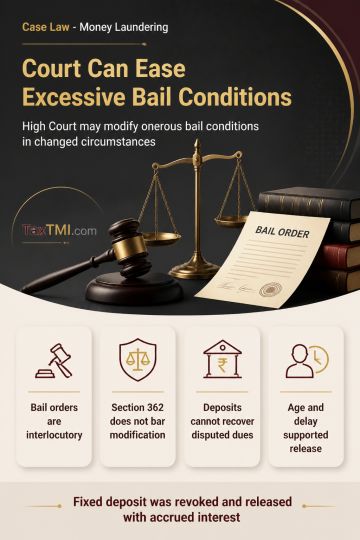
Modification of bail conditions remains available through inherent jurisdiction where onerous deposits undermine justice and cannot recover disputed d...
Liquidation process regulations were extensively amended to strengthen committee of creditors control, tighten timelines, and standardise filings. The liquidator must now obtain committee approval for key actions including professional appointments, fees, valuation, claims-related matters, sale terms, private sale, compromise filings, extension requests, and early dissolution, while the committee continues through liquidation subject to revised membership and voting rules. Claims verification, stakeholder updates, and distribution timelines were shortened; form-based filings were replaced by Board-notified formats; and obsolete provisions on consultation committees and certain schedules were removed. The amendments also restrict sales to ineligible resolution applicants and related parties, and require a model liquidation timeline.
Liquidation process regulations were extensively amended to strengthen committee of creditors control, tighten timelines, and standardise filings. The liquidator must now obtain committee approval for key actions including professional appointments, fees, valuation, claims-related matters, sale terms, private sale, compromise filings, extension requests, and early dissolution, while the committee continues through liquidation subject to revised membership and voting rules. Claims verification, stakeholder updates, and distribution timelines were shortened; form-based filings were replaced by Board-notified formats; and obsolete provisions on consultation committees and certain schedules were removed. The amendments also restrict sales to ineligible resolution applicants and related parties, and require a model liquidation timeline.
Note: It is a system-generated summary and is for quick reference only.
 TaxTMI
 of 4805






 Join Channel


 TaxTMI
