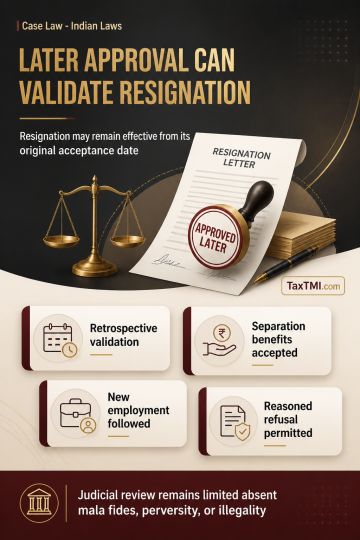
Ratification of resignation acceptance validates separation retrospectively, while withdrawal may be refused through reasoned administrative discretio...
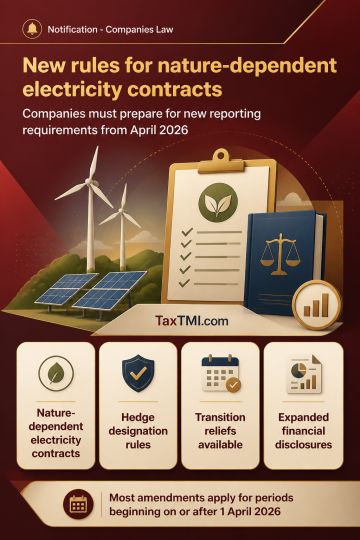
Nature-dependent electricity contracts receive new Ind AS accounting, hedge designation, transition and financial-statement disclosure requirements fr...
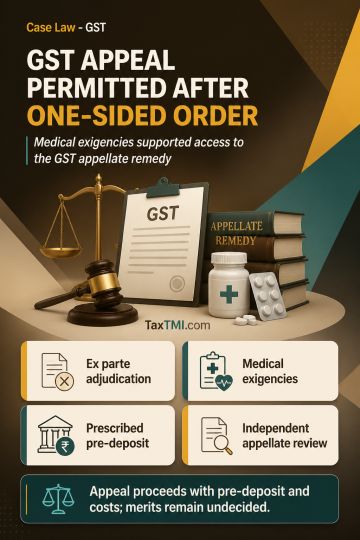
Alternative GST remedy permitted protective writ intervention for ex parte adjudication, preserving independent appellate review of input tax credit d...
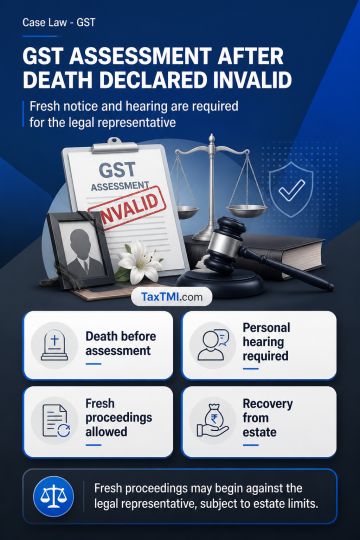
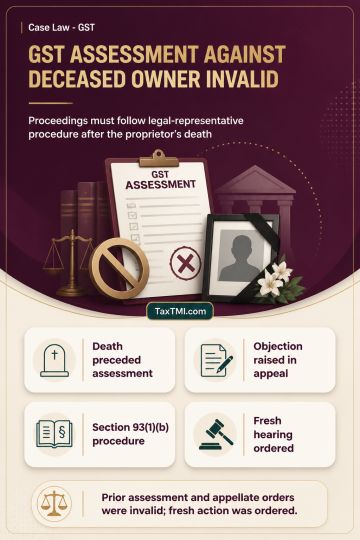
Assessment against deceased sole proprietor requires proceedings against the legal representative, rendering prior assessment and appellate orders inv...
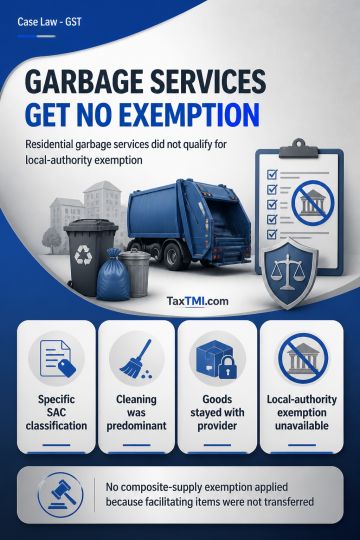
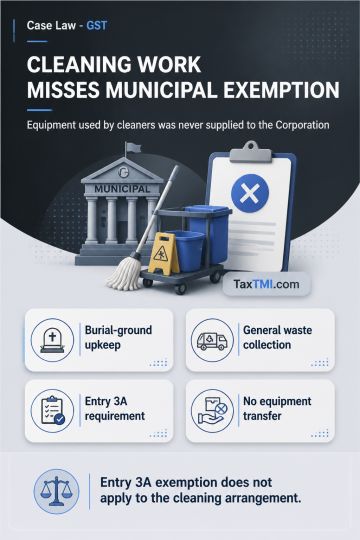
Residential waste collection classification under SAC 999423 defeats composite-supply exemption where facilitating goods are not transferred to the lo...
Page of 4807
Press 'Enter' after typing page number.
301 to 320 of 96140 Results
❮
❯
❯❯
0 / 200
Expand Note
Add to Folder
No Folders have been created
+
Are you sure you want to delete "My most important" ?
Liquidation process regulations were extensively amended to strengthen committee of creditors control, tighten timelines, and standardise filings. The liquidator must now obtain committee approval for key actions including professional appointments, fees, valuation, claims-related matters, sale terms, private sale, compromise filings, extension requests, and early dissolution, while the committee continues through liquidation subject to revised membership and voting rules. Claims verification, stakeholder updates, and distribution timelines were shortened; form-based filings were replaced by Board-notified formats; and obsolete provisions on consultation committees and certain schedules were removed. The amendments also restrict sales to ineligible resolution applicants and related parties, and require a model liquidation timeline.
Liquidation process regulations were extensively amended to strengthen committee of creditors control, tighten timelines, and standardise filings. The liquidator must now obtain committee approval for key actions including professional appointments, fees, valuation, claims-related matters, sale terms, private sale, compromise filings, extension requests, and early dissolution, while the committee continues through liquidation subject to revised membership and voting rules. Claims verification, stakeholder updates, and distribution timelines were shortened; form-based filings were replaced by Board-notified formats; and obsolete provisions on consultation committees and certain schedules were removed. The amendments also restrict sales to ineligible resolution applicants and related parties, and require a model liquidation timeline.
Note: It is a system-generated summary and is for quick reference only.
 TaxTMI
  TaxTMI
 of 4807





 Join Channel