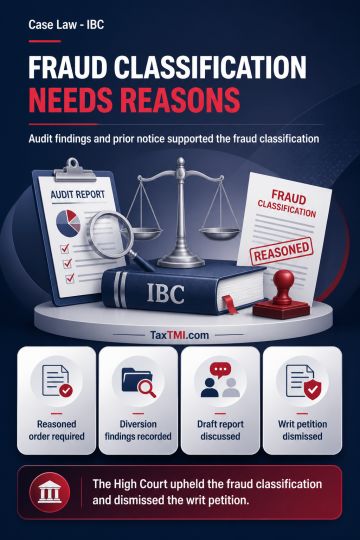
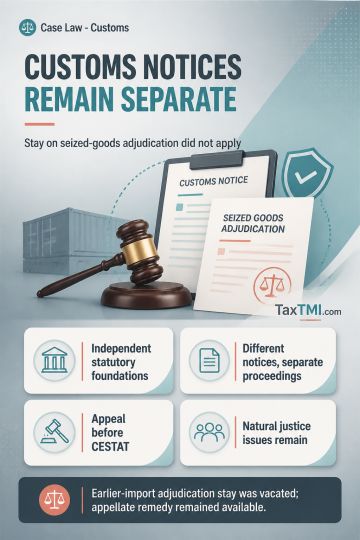
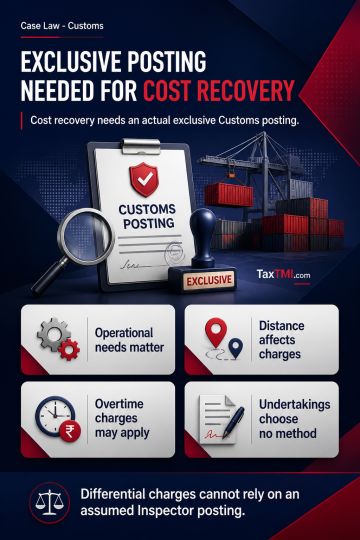
Independent show-cause notices remain separate proceedings, while customs adjudication challenges should ordinarily follow the statutory appellate rem...
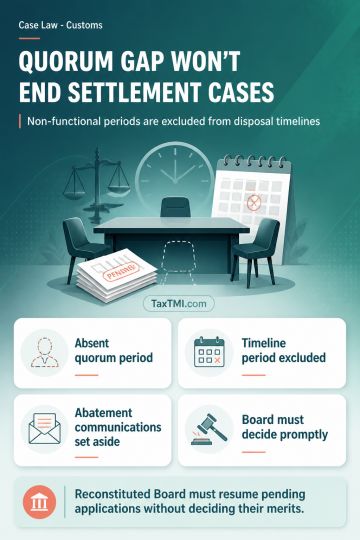
Institutional incapacity in customs settlement proceedings excludes non-functional quorum periods from statutory disposal timelines, preventing automa...
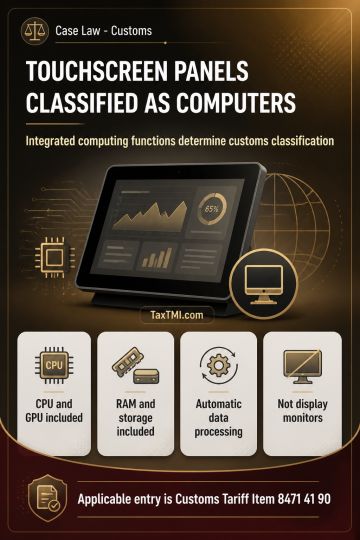
Interactive touchscreen panels with integrated computing functions fall under automatic data-processing machines rather than display monitors for cust...
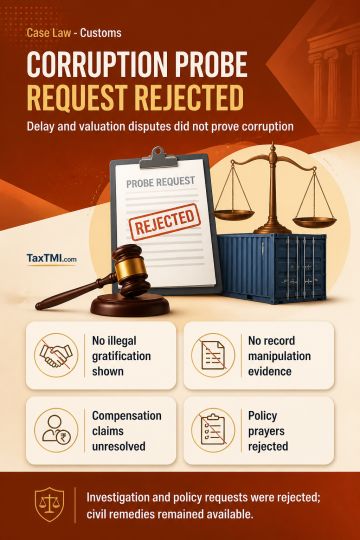
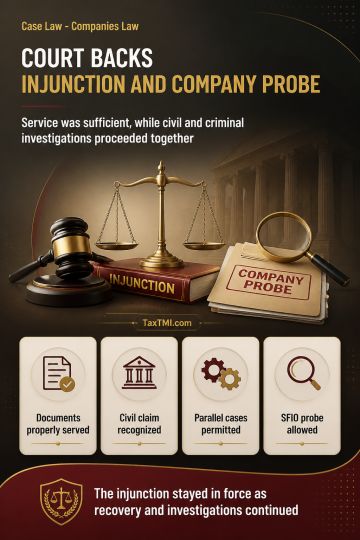
Ex parte injunction service requirements were substantially met, while civil recovery and SFIO investigation into provident fund defalcation continued...
ITAT upheld rejection of the books under section 145(3) and best judgment assessment under section 144 because the assessee did not furnish complete details or supporting evidence. After rejection of the books, income had to be estimated on a reasonable basis; the Tribunal found the AO's 10% net profit rate unsupported by comparable cases or the assessee's past results and reduced it to 6% of gross turnover, with credit for income already declared. It further held that separate section 68 additions for sundry creditors and unsecured loans could not survive once business income was estimated, absent independent incriminating material, and deleted those additions in full.
ITAT upheld rejection of the books under section 145(3) and best judgment assessment under section 144 because the assessee did not furnish complete details or supporting evidence. After rejection of the books, income had to be estimated on a reasonable basis; the Tribunal found the AO's 10% net profit rate unsupported by comparable cases or the assessee's past results and reduced it to 6% of gross turnover, with credit for income already declared. It further held that separate section 68 additions for sundry creditors and unsecured loans could not survive once business income was estimated, absent independent incriminating material, and deleted those additions in full.
Note: It is a system-generated summary and is for quick reference only.
 TaxTMI
 of 4805












 Join Channel


 TaxTMI