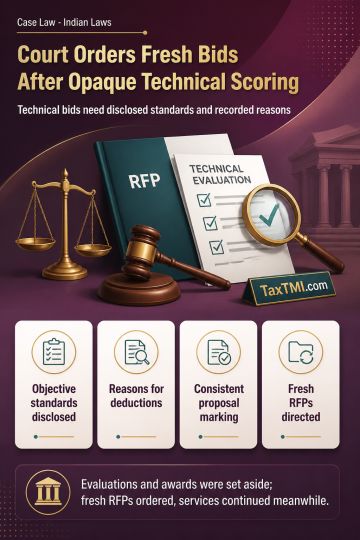
Transparency in technical bid evaluation requires disclosed standards and recorded reasons; opaque scoring invalidated tender awards and required fres...
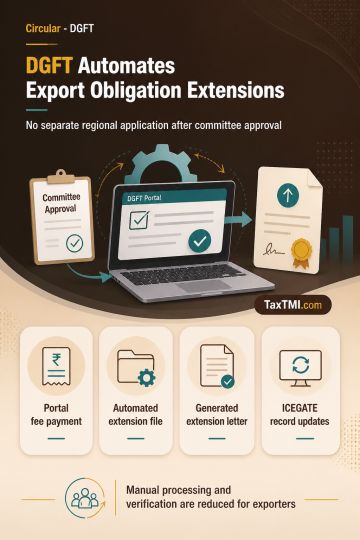
Automated export obligation extensions remove separate regional applications after committee approval for Advance Authorisation and EPCG authorisation...
International cargo transhipment through Indian ports continues with Customs-controlled storage, re-export safeguards, and coordinated multi-station m...
The Tribunal held that the 10% tolerance band under the stamp valuation framework applies retrospectively as a curative measure, so no addition survived where the difference between agreement value and stamp duty value was only 2.3%. It also accepted that indexation of cost for flat allotment rights runs from the date of the agreement, since rights accrued on execution and not from the dates of later instalments, leading to deletion of the recomputed disallowance. For the unexplained investment issue, the Tribunal found factual verification was needed and remanded the matter to the Assessing Officer after granting adequate hearing.
The Tribunal held that the 10% tolerance band under the stamp valuation framework applies retrospectively as a curative measure, so no addition survived where the difference between agreement value and stamp duty value was only 2.3%. It also accepted that indexation of cost for flat allotment rights runs from the date of the agreement, since rights accrued on execution and not from the dates of later instalments, leading to deletion of the recomputed disallowance. For the unexplained investment issue, the Tribunal found factual verification was needed and remanded the matter to the Assessing Officer after granting adequate hearing.
Note: It is a system-generated summary and is for quick reference only.
 TaxTMI
  TaxTMI
 of 4814














 Join Channel