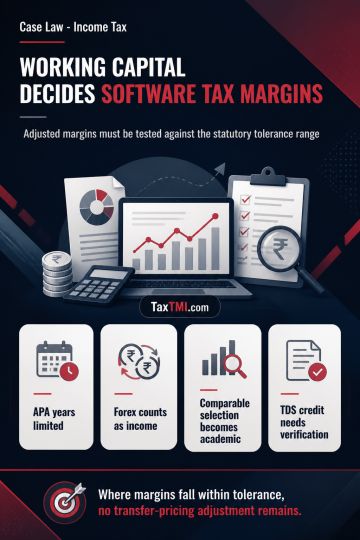
Working-capital adjustment determines whether software-services transfer-pricing margins fall within the statutory tolerance range, eliminating any ad...
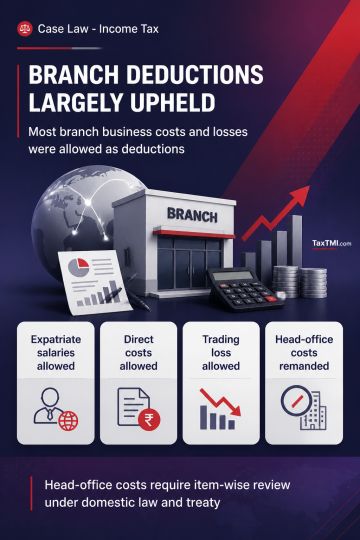
Permanent establishment deductions upheld for expatriate salaries, direct costs and trading losses, while head-office costs require fresh classificati...
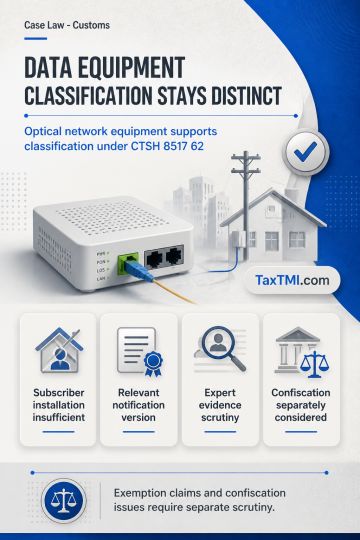
Data transmission equipment classification under CTSH 8517 62 remains distinct from residual classification, with exemption evidence requiring scrutin...
The HC held that an alternative statutory remedy is a self-imposed restraint, not an absolute bar to writ jurisdiction, and entertained the petition after the appeal period, including grace time, had expired and business had been disrupted. It treated cancellation of GST registration for non-filing of returns and other procedural defaults as curable, applying the principle that substantive rights should not fail for formal non-compliance. The cancellation order and appellate order were quashed, and registration was directed to be restored subject to filing pending returns and paying tax, interest, fine and penalty within the stipulated time, failing which the benefit would stand withdrawn.
The HC held that an alternative statutory remedy is a self-imposed restraint, not an absolute bar to writ jurisdiction, and entertained the petition after the appeal period, including grace time, had expired and business had been disrupted. It treated cancellation of GST registration for non-filing of returns and other procedural defaults as curable, applying the principle that substantive rights should not fail for formal non-compliance. The cancellation order and appellate order were quashed, and registration was directed to be restored subject to filing pending returns and paying tax, interest, fine and penalty within the stipulated time, failing which the benefit would stand withdrawn.
Note: It is a system-generated summary and is for quick reference only.
 TaxTMI
 of 4805





 Join Channel


 TaxTMI