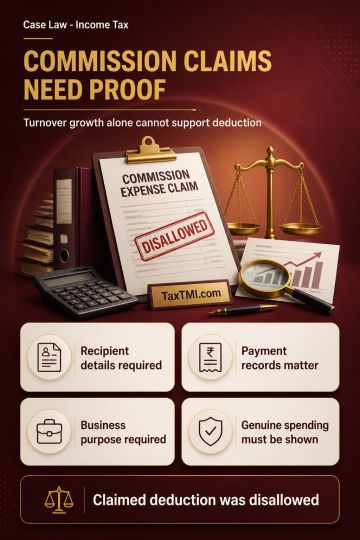
Business expenditure deduction requires proof of genuine commission payments and commercial allowability; turnover growth alone cannot validate the cl...
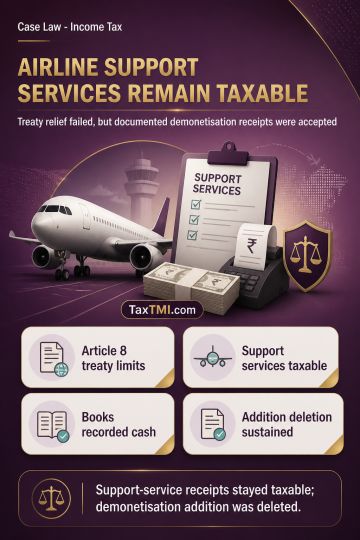
Article 8 treaty coverage excluded third-party airline support services, while documented demonetisation cash receipts remained accepted business inco...
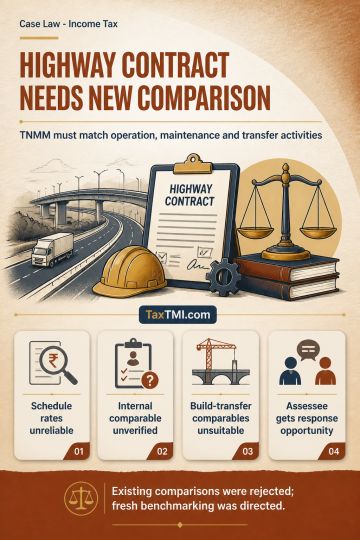
Functional comparability under TNMM requires highway contract benchmarks to reflect operation, maintenance and transfer activities, requiring fresh be...
The HC held that an alternative statutory remedy is a self-imposed restraint, not an absolute bar to writ jurisdiction, and entertained the petition after the appeal period, including grace time, had expired and business had been disrupted. It treated cancellation of GST registration for non-filing of returns and other procedural defaults as curable, applying the principle that substantive rights should not fail for formal non-compliance. The cancellation order and appellate order were quashed, and registration was directed to be restored subject to filing pending returns and paying tax, interest, fine and penalty within the stipulated time, failing which the benefit would stand withdrawn.
The HC held that an alternative statutory remedy is a self-imposed restraint, not an absolute bar to writ jurisdiction, and entertained the petition after the appeal period, including grace time, had expired and business had been disrupted. It treated cancellation of GST registration for non-filing of returns and other procedural defaults as curable, applying the principle that substantive rights should not fail for formal non-compliance. The cancellation order and appellate order were quashed, and registration was directed to be restored subject to filing pending returns and paying tax, interest, fine and penalty within the stipulated time, failing which the benefit would stand withdrawn.
Note: It is a system-generated summary and is for quick reference only.
 TaxTMI
  TaxTMI
 of 4809






 Join Channel


