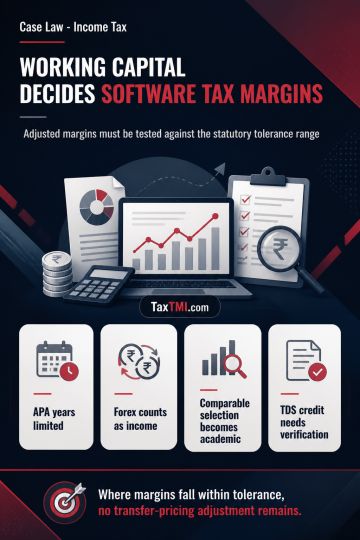
Working-capital adjustment determines whether software-services transfer-pricing margins fall within the statutory tolerance range, eliminating any ad...
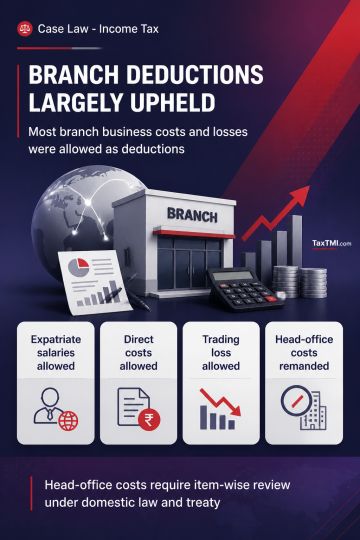
Permanent establishment deductions upheld for expatriate salaries, direct costs and trading losses, while head-office costs require fresh classificati...
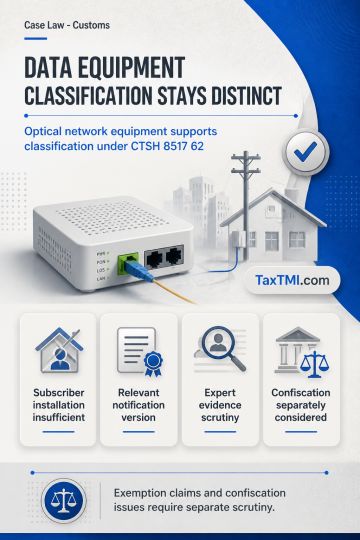
Data transmission equipment classification under CTSH 8517 62 remains distinct from residual classification, with exemption evidence requiring scrutin...
The High Court declined to entertain the writ petition under Article 226 because the challenge to the search authorization, stock discrepancy assessment, and penalty order involved disputed factual matters better examined under the GST statutory framework. Applying the rule that an aggrieved person should ordinarily pursue the remedy created by statute, the Court held that an effective appellate remedy was available and interference in writ jurisdiction was unwarranted. The petitioner was left to file an appeal and was granted liberty to raise all legal and factual grounds, including a request for condonation of delay for the period spent in prosecuting the writ petition.
The High Court declined to entertain the writ petition under Article 226 because the challenge to the search authorization, stock discrepancy assessment, and penalty order involved disputed factual matters better examined under the GST statutory framework. Applying the rule that an aggrieved person should ordinarily pursue the remedy created by statute, the Court held that an effective appellate remedy was available and interference in writ jurisdiction was unwarranted. The petitioner was left to file an appeal and was granted liberty to raise all legal and factual grounds, including a request for condonation of delay for the period spent in prosecuting the writ petition.
Note: It is a system-generated summary and is for quick reference only.
 TaxTMI
  TaxTMI
 of 4807









 Join Channel