Business expenditure deduction requires proof of genuine commission payments and commercial allowability; turnover growth alone cannot validate the cl...
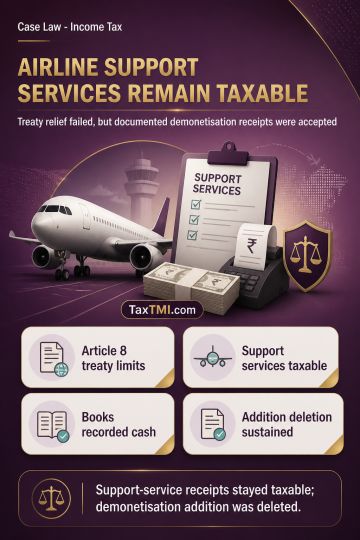
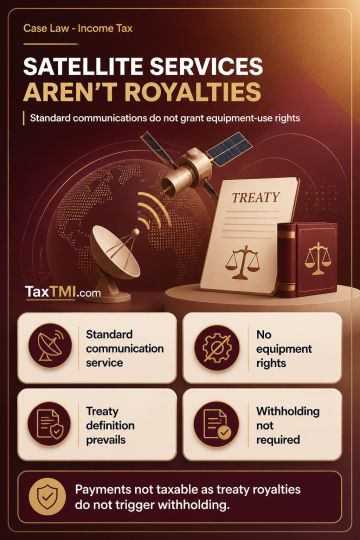
Article 8 treaty coverage excluded third-party airline support services, while documented demonetisation cash receipts remained accepted business inco...
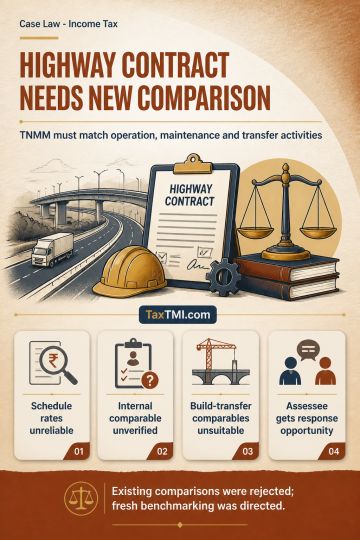
Functional comparability under TNMM requires highway contract benchmarks to reflect operation, maintenance and transfer activities, requiring fresh be...
The High Court declined to entertain the writ petition under Article 226 because the challenge to the search authorization, stock discrepancy assessment, and penalty order involved disputed factual matters better examined under the GST statutory framework. Applying the rule that an aggrieved person should ordinarily pursue the remedy created by statute, the Court held that an effective appellate remedy was available and interference in writ jurisdiction was unwarranted. The petitioner was left to file an appeal and was granted liberty to raise all legal and factual grounds, including a request for condonation of delay for the period spent in prosecuting the writ petition.
The High Court declined to entertain the writ petition under Article 226 because the challenge to the search authorization, stock discrepancy assessment, and penalty order involved disputed factual matters better examined under the GST statutory framework. Applying the rule that an aggrieved person should ordinarily pursue the remedy created by statute, the Court held that an effective appellate remedy was available and interference in writ jurisdiction was unwarranted. The petitioner was left to file an appeal and was granted liberty to raise all legal and factual grounds, including a request for condonation of delay for the period spent in prosecuting the writ petition.
Note: It is a system-generated summary and is for quick reference only.
 TaxTMI
  TaxTMI
 of 4811








 Join Channel


