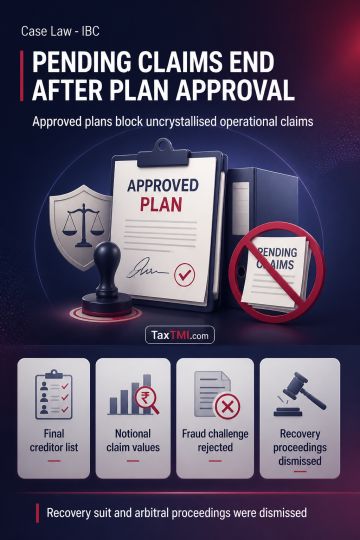
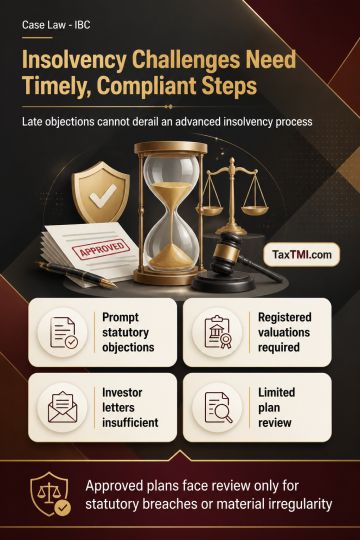
Clean slate principle extinguishes uncrystallised operational claims and bars continuation of pending recovery and arbitral proceedings after plan app...
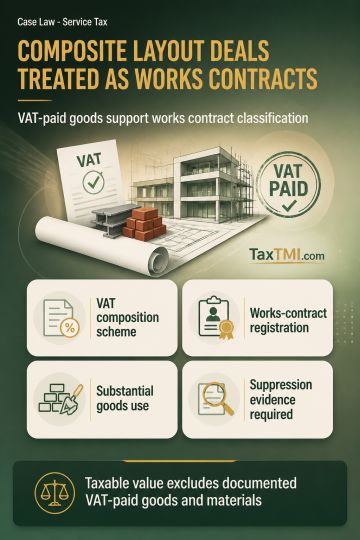
Works contract classification governs composite layout-development contracts where VAT-paid goods are transferred alongside construction and infrastru...
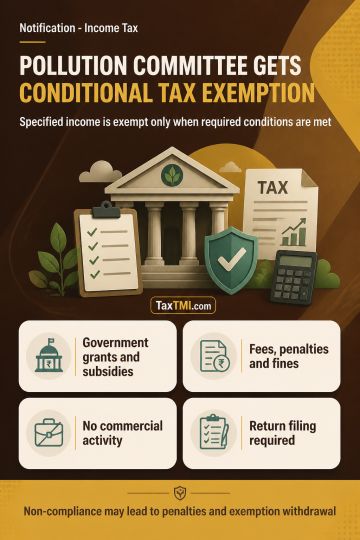
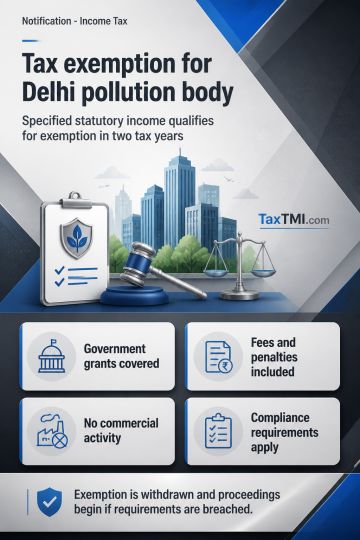
Specified income tax exemption for pollution control body remains conditional on non-commercial activity, unchanged income character, and return filin...
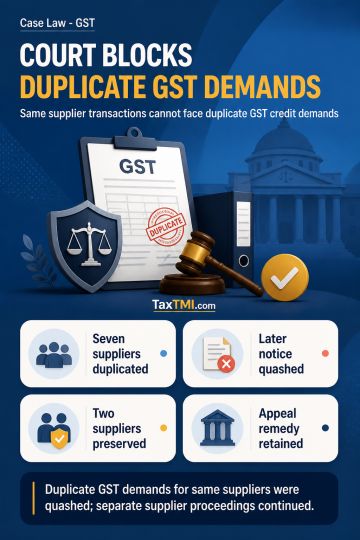
Where an efficacious statutory appeal exists under the GST framework, recourse to the appeal remedy must ordinarily precede invocation of Article 226. Applying the rule of exhaustion of statutory remedies as one of policy, convenience and discretion, the High Court found no special circumstance to depart from that principle and declined to examine the GST demand on merits. As the petitioner was still within the appeal period under Section 107, liberty was granted to file the appeal within seven days, and it was directed to be treated as within limitation subject to compliance with statutory requirements.
Where an efficacious statutory appeal exists under the GST framework, recourse to the appeal remedy must ordinarily precede invocation of Article 226. Applying the rule of exhaustion of statutory remedies as one of policy, convenience and discretion, the High Court found no special circumstance to depart from that principle and declined to examine the GST demand on merits. As the petitioner was still within the appeal period under Section 107, liberty was granted to file the appeal within seven days, and it was directed to be treated as within limitation subject to compliance with statutory requirements.
Note: It is a system-generated summary and is for quick reference only.
 TaxTMI
 of 4805






 Join Channel


 TaxTMI