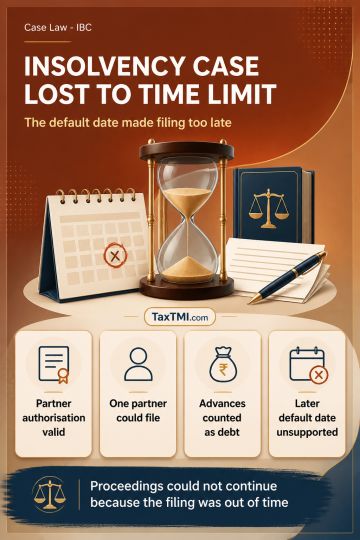
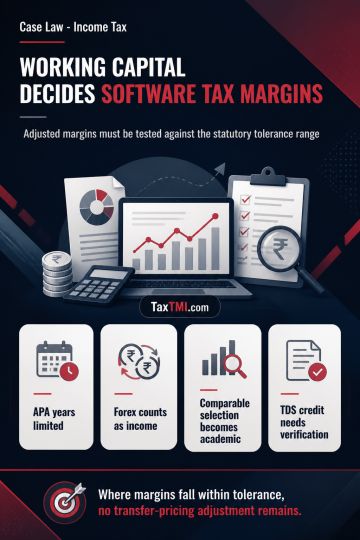
Working-capital adjustment determines whether software-services transfer-pricing margins fall within the statutory tolerance range, eliminating any ad...
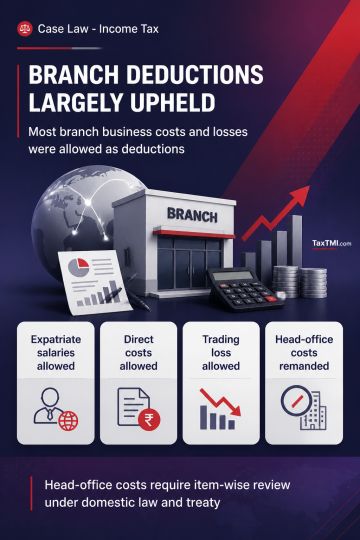
Permanent establishment deductions upheld for expatriate salaries, direct costs and trading losses, while head-office costs require fresh classificati...
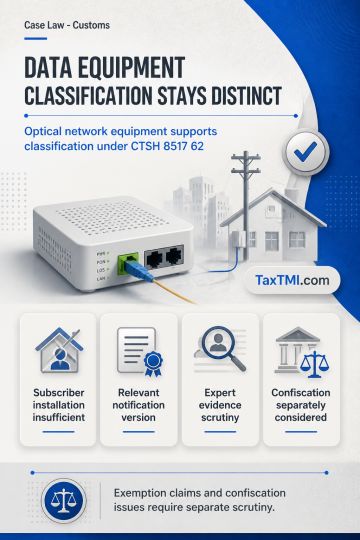
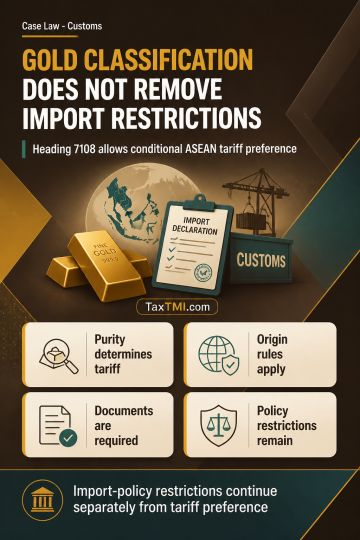
Data transmission equipment classification under CTSH 8517 62 remains distinct from residual classification, with exemption evidence requiring scrutin...
Where an efficacious statutory appeal exists under the GST framework, recourse to the appeal remedy must ordinarily precede invocation of Article 226. Applying the rule of exhaustion of statutory remedies as one of policy, convenience and discretion, the High Court found no special circumstance to depart from that principle and declined to examine the GST demand on merits. As the petitioner was still within the appeal period under Section 107, liberty was granted to file the appeal within seven days, and it was directed to be treated as within limitation subject to compliance with statutory requirements.
Where an efficacious statutory appeal exists under the GST framework, recourse to the appeal remedy must ordinarily precede invocation of Article 226. Applying the rule of exhaustion of statutory remedies as one of policy, convenience and discretion, the High Court found no special circumstance to depart from that principle and declined to examine the GST demand on merits. As the petitioner was still within the appeal period under Section 107, liberty was granted to file the appeal within seven days, and it was directed to be treated as within limitation subject to compliance with statutory requirements.
Note: It is a system-generated summary and is for quick reference only.
 TaxTMI
 of 4805




 Join Channel


 TaxTMI