Specialized Investment Fund distribution now requires dedicated certification, while transitional recognition preserves existing qualified distributor...
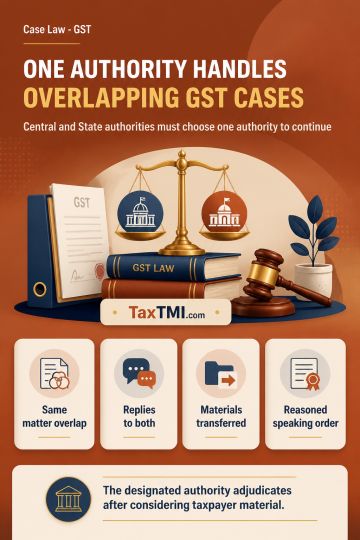
Overlapping GST proceedings require Central and State authorities to designate one competent authority for coordinated adjudication of the same matter...
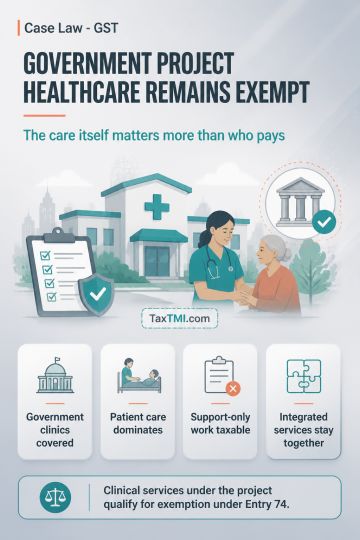
Composite healthcare supplies retain exemption when patient care is the contract's essential character, despite payment through an implementing agency...
Rectification under section 254(2) is confined to a patent, obvious error apparent from the record and cannot be used to reargue debatable issues, reassess evidence, or reopen the merits of an earlier time-bar dismissal. The High Court held that complaints about the Tribunal's failure to summon further material, its treatment of the driver's affidavit on delay condonation, and alleged non-consideration of precedent involved adjudicatory choice rather than self-evident error, so no rectifiable mistake was shown. In the section 260A appeal, interference was unavailable absent perversity or a substantial question of law. The appeals were dismissed.
Rectification under section 254(2) is confined to a patent, obvious error apparent from the record and cannot be used to reargue debatable issues, reassess evidence, or reopen the merits of an earlier time-bar dismissal. The High Court held that complaints about the Tribunal's failure to summon further material, its treatment of the driver's affidavit on delay condonation, and alleged non-consideration of precedent involved adjudicatory choice rather than self-evident error, so no rectifiable mistake was shown. In the section 260A appeal, interference was unavailable absent perversity or a substantial question of law. The appeals were dismissed.
Note: It is a system-generated summary and is for quick reference only.
 TaxTMI
 of 4805









 Join Channel


 TaxTMI