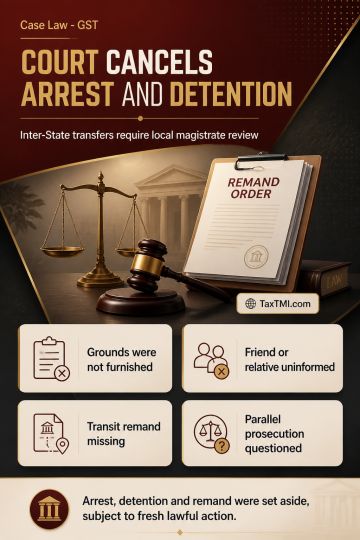
Arrest safeguards and transit remand requirements invalidated detention following inter-State transfer without communicated grounds or magistrate auth...
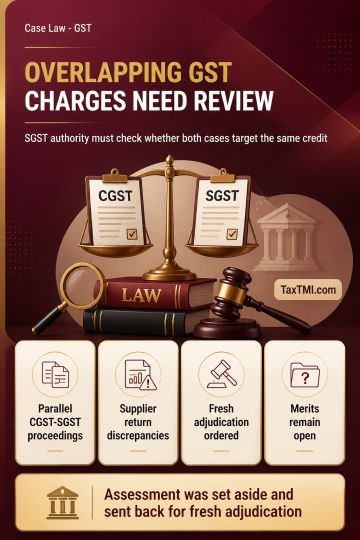
Arrest safeguards require disclosed grounds, relative intimation and transit remand, while duplicate prosecution under the CGST framework is unsustain...
Document Identification Number defects can invalidate GST assessments, with delayed challenges entertained conditionally where patent irregularities e...
Windmill commissioning evidence supported higher depreciation where grid connection and electricity generation proved operational use before the relev...
Rectification under section 254(2) is confined to a patent, obvious error apparent from the record and cannot be used to reargue debatable issues, reassess evidence, or reopen the merits of an earlier time-bar dismissal. The High Court held that complaints about the Tribunal's failure to summon further material, its treatment of the driver's affidavit on delay condonation, and alleged non-consideration of precedent involved adjudicatory choice rather than self-evident error, so no rectifiable mistake was shown. In the section 260A appeal, interference was unavailable absent perversity or a substantial question of law. The appeals were dismissed.
Rectification under section 254(2) is confined to a patent, obvious error apparent from the record and cannot be used to reargue debatable issues, reassess evidence, or reopen the merits of an earlier time-bar dismissal. The High Court held that complaints about the Tribunal's failure to summon further material, its treatment of the driver's affidavit on delay condonation, and alleged non-consideration of precedent involved adjudicatory choice rather than self-evident error, so no rectifiable mistake was shown. In the section 260A appeal, interference was unavailable absent perversity or a substantial question of law. The appeals were dismissed.
Note: It is a system-generated summary and is for quick reference only.
 TaxTMI
  TaxTMI
 of 4807
















 Join Channel


